
Where Equipment Actually Goes Missing in a Skilled Nursing Facility
Equipment does not vanish at random in a skilled nursing facility. It disappears in patterns: the assets that move most, sit in shared storage, or ride out on a discharge. Wheelchairs, shower chairs, and lifts top the list. This guide ranks them, and shows how Norra finds every one to the room automatically.
Co-founder and CEO at Norra · July 20, 2026
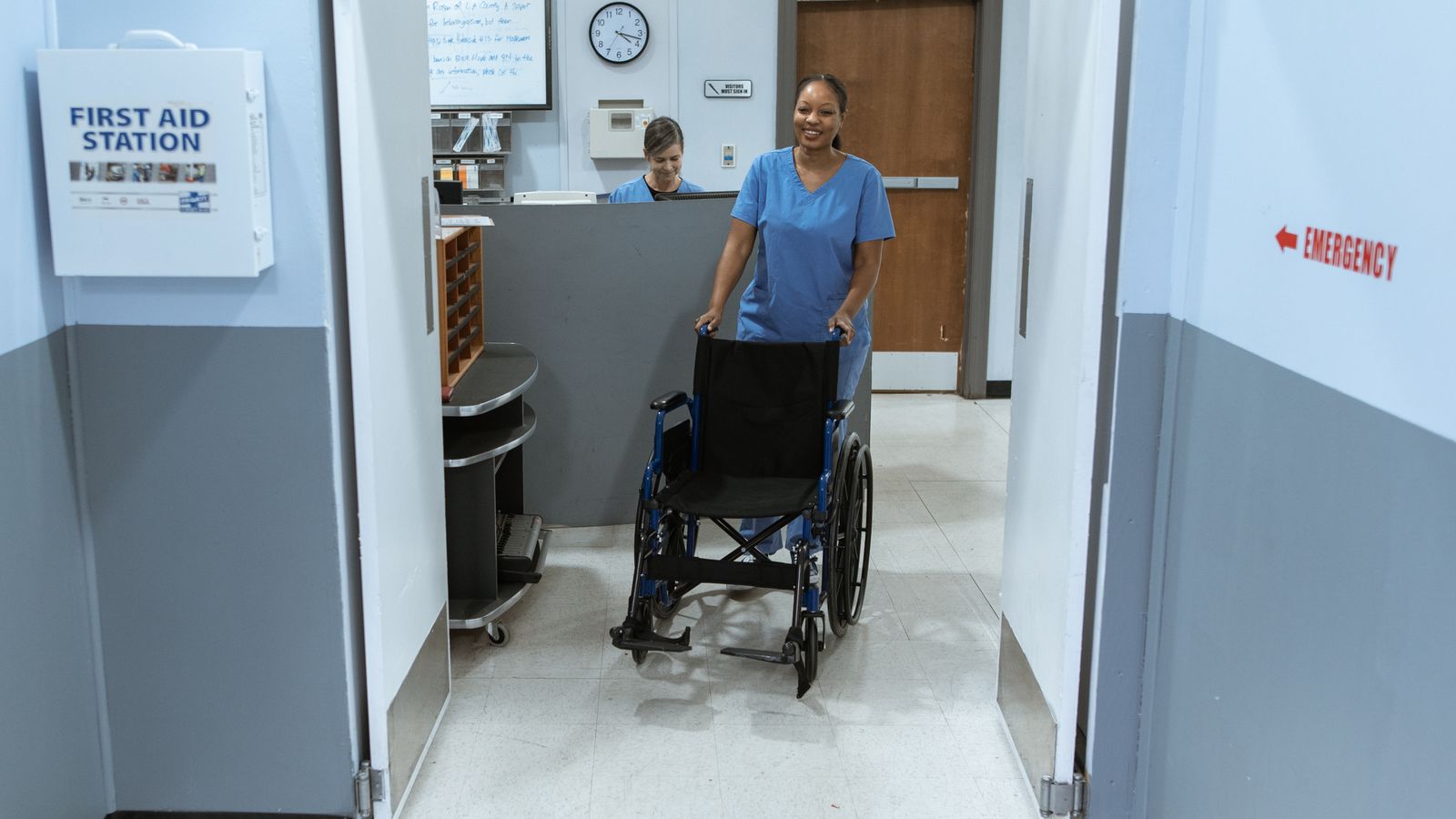
Equipment in a skilled nursing facility does not go missing at random. It goes missing in patterns, and once you see the patterns you can predict which item will be gone before the next admission needs it. A wheelchair disappears because it never stops moving. A shower chair disappears because it belongs to everyone and no one. A bariatric bed keeps billing because sending it back is nobody's job. The building is not unlucky. It is running a fleet of assets, each with its own way of walking off, and it has no map.
This guide is that map. It ranks the equipment classes a nursing home loses most, explains why each one disappears, and links to a full playbook for every category. It ties to our 2026 SNF equipment waste report, and it shows how Norra, the AI asset management platform purpose-built for skilled nursing, finds any of these items to the room without a single scan.
The four ways equipment disappears
Every missing item in the building traces back to one of four causes. Most high-loss assets combine two or three of them.
- Movement. The more an item travels, the more chances it has to be parked in the wrong place. Anything that rides between a room, therapy, dining, and a transport appointment scatters across the building by the end of a shift.
- Shared storage. Pool equipment that belongs to no resident belongs to no one. Staff grab it, use it, and leave it wherever the trip ended, and it sits in a random alcove until someone needs it and cannot find it.
- Discharge. When a resident leaves, their equipment should come back to the building and their rentals should go back to the vendor. Both steps depend on someone remembering, and under a busy discharge nobody does. The item rides out in the ambulance or keeps billing in an empty room.
- Walk-off. Small, cheap, portable items leave with families, staff, and transfers. They are never invoiced when they go, so the loss stays invisible until it reappears as next quarter's replacement order.
The ranking: which classes go missing most
The classes below are ranked by how much a typical building loses to each one, blending how often it goes missing with what replacing or over-renting it costs. Each links to a full category guide.
| Rank | Equipment class | Why it disappears | Main driver |
|---|---|---|---|
| 1 | Wheelchairs | Highest-churn asset; travels all day, belongs to no one | Movement |
| 2 | Shower chairs and commodes | Cheap pool items moved between bathrooms, never guarded | Shared storage |
| 3 | Patient lifts | Shared across units, parked after every transfer | Movement |
| 4 | Bariatric beds, chairs, and lifts | High-day-rate rentals that outlive the resident | Discharge |
| 5 | Oxygen concentrators | Move with the resident; discharge leaves them behind | Discharge |
| 6 | Specialty mattresses | Rental support surfaces that keep billing in an empty room | Discharge |
| 7 | Hospital beds | Rented long past the point buying would have paid off | Discharge |
| 8 | Bed alarms and fall mats | Small, cheap, moved constantly, walk off | Walk-off |
| 9 | Wound-vac and NPWT pumps | High-value rentals tied to one resident's discharge | Discharge |
| 10 | Vital signs monitors and bladder scanners | Expensive shared floats borrowed between units | Shared storage |
The shape of the ranking is consistent. The top is dominated by movement and shared storage: the assets everyone touches and no one owns. The middle is the rental trap, where the item is not lost so much as forgotten while it keeps billing. Below the top ten, the same forces hit the rest of the fleet. Feeding pumps and suction machines ride the discharge path, BiPAP and CPAP units and infusion pumps move with the resident, bladder scanners float between units as expensive shared tools, and Broda and geri-chairs churn like wheelchairs but cost far more to replace.
Notice what does not drive the ranking: value. The cheapest item on the list and the priciest go missing for the same reason. Nobody owns the return.
What the losses add up to
Add the classes together and the number is large. A typical skilled nursing facility of around 110 beds loses $155,000 to $500,000 a year to equipment waste: duplicate purchases, lost items, and rentals that outlive their need. That is roughly $1,400 to $4,500 per bed.
Set it against the margin. The median SNF operates at 1.8 percent, about $200,000 of profit on a 100-bed building in a good year. Equipment waste of $155,000 to $500,000 equals 77 to 150 percent of that profit. The missing-equipment problem is not a supply-closet nuisance. It rivals the entire bottom line.
Three of the four disappearance drivers cost money the same way. A lost item gets rebought. A forgotten rental keeps billing. A borrowed float gets replaced. And every one of them costs staff time first: nurses lose 30 to 60 minutes per shift hunting for equipment, before a single dollar is spent on a replacement. There is a compliance cost on top. Under the federal requirements in 42 CFR Part 483, F689 (accident hazards) is the most-cited tag on standard surveys, and equipment a building cannot locate or maintain feeds that citation risk directly.
How to stop the losses
The fix is the same for every class on the list, which is what makes it worth doing once and applying to the whole fleet. Four habits cut loss with no technology at all:
- Give every item a home base. Assign shared equipment to a unit and specialty equipment to a resident. An asset with a home is one someone notices is gone.
- Keep a location history, not a headcount. A quarterly count tells you how short you are. A running record of where each item was last seen, and when it stopped moving, tells you where to look and which rentals are dead weight.
- Run return discipline on every rental and every discharge. Review rental lines monthly and name the resident each one serves today. Tie an equipment check to every discharge so items and rentals come back before the room turns over.
- Check before you buy or rent. No order goes out until someone confirms the building does not already own an idle one. In a chain, check the sister buildings first.
The honest catch is that the manual version decays. It works with a spreadsheet and one focused hour a month, and it stops working the first month nobody owns that hour. The high-churn assets at the top of the ranking move too fast for a static list to stay true. The durable version keeps location current on its own. We rank every non-visibility lever by payback in how to cut equipment spending at a skilled nursing facility.
How Norra handles the whole fleet
Norra is purpose-built for skilled nursing equipment operations. A proprietary smart tag attaches to every asset in the ranking, from a wheelchair to a wound-therapy pump. Plug-in gateways give room-level location with no wiring and no construction, and the tag batteries last multiple years. Staff never scan anything. The tags report location automatically.
That live map runs the playbook above on its own, across every class at once:
- Find any item by text. A nurse types "bariatric wheelchair" or "wound vac" and sees the nearest one and the room it is in. The 30-to-60-minute search does not happen.
- Flag the idle rentals. Norra flags any rented item that has not moved in days and compares what you have paid against what buying it would cost, so the forgotten bed or pump goes back instead of billing another month.
- Keep a loss history. Every asset carries a record of where it was last seen and when it left the building, and exit detection flags an item rolling out a monitored door. A missing item becomes a last-known location, not a mystery.
- Share across buildings. Corporate sees every idle asset across the chain and transfers instead of renting. See the cross-facility equipment sharing playbook.
Norra reports up to 80% lower rental spend in buildings where it is live. Its working model identifies $100K+/year in recoverable equipment waste for an average 100-licensed-bed SNF.
Norra is Y Combinator-backed, a MatrixCare marketplace partner with a live integration, and works alongside any EHR. It installs with no upfront cost, a fraction of the cost of traditional tracking systems, with no six-figure install and no wiring. A building goes live in days.
How to start
Start with one building and tag the top of the ranking first: wheelchairs, shower chairs, and lifts. They are the highest-loss assets you own, which makes them the fastest payback. Two weeks of location history will show you how far your equipment actually travels and how many rentals have been sitting idle. Prove the rental and search savings in one facility, then roll the same setup across the chain.
See it live at www.norra.io.
Frequently asked questions
What equipment goes missing most in a skilled nursing facility?+
Wheelchairs lead every list, because they move more than any other asset and belong to no single resident. Close behind are shower chairs and commodes, patient lifts, and the rental categories that quietly outlive the resident who needed them: bariatric beds, specialty mattresses, oxygen concentrators, and wound-therapy pumps. The common thread is movement and shared use, not value. The cheapest pool items and the highest-day-rate rentals go missing for the same reason: no one owns the return.
Why does nursing home equipment keep disappearing?+
Four causes, usually in combination. Movement: an item travels between rooms, therapy, and appointments and gets parked somewhere new. Shared storage: pool equipment that belongs to everyone belongs to no one. Discharge: equipment and rentals that should come back when a resident leaves, and do not. Walk-off: small portable items that leave with families and transfers and are never invoiced when they go. None of these are bad luck. They are predictable patterns you can design against.
How do you stop losing equipment in a nursing home?+
Give every item a home base, keep a running location history instead of a quarterly headcount, enforce a return rule on every rental and every discharge, and check what you already own before you buy or rent. The manual version works for about a month, then decays when no one owns the review hour. The durable version keeps location current automatically. Norra tags every asset and reports its room on its own. Norra reports up to 80% lower rental spend in buildings where it is live.
Can staff find equipment without scanning it?+
Yes. With Norra, staff never scan anything. The tags report location automatically. A nurse types the name of an item and sees the nearest one and the room it is in. That is the difference from barcode and QR apps, which stay accurate only if every staffer scans every move, which is the first task a busy floor drops.
How much does missing equipment cost a nursing home?+
A typical facility of around 110 beds loses $155,000 to $500,000 a year to equipment waste, roughly $1,400 to $4,500 per bed, across duplicate buys, lost items, and rentals that never end. Against the median SNF operating margin of 1.8 percent, that equals 77 to 150 percent of a building's annual profit. Norra reports up to 80% lower rental spend in buildings where it is live. Its working model identifies $100K+/year in recoverable equipment waste for an average 100-licensed-bed SNF.
Last updated September 9, 2026. We review this article as regulations and market pricing change.
See Norra on your own floor plan
See how Norra gives your SNFs a current room-level view of owned and rented equipment.