
Wound Vac (NPWT) Tracking and Rental Control in Nursing Homes
Wound vacs are among the most expensive daily rentals in a skilled nursing facility, and they keep billing after the wound heals or the resident leaves. The fix is location and return discipline: track every NPWT unit to a room, flag it the moment it goes idle, and send it back the day the order ends. Norra does this automatically.
Co-founder and CEO at Norra · July 23, 2026
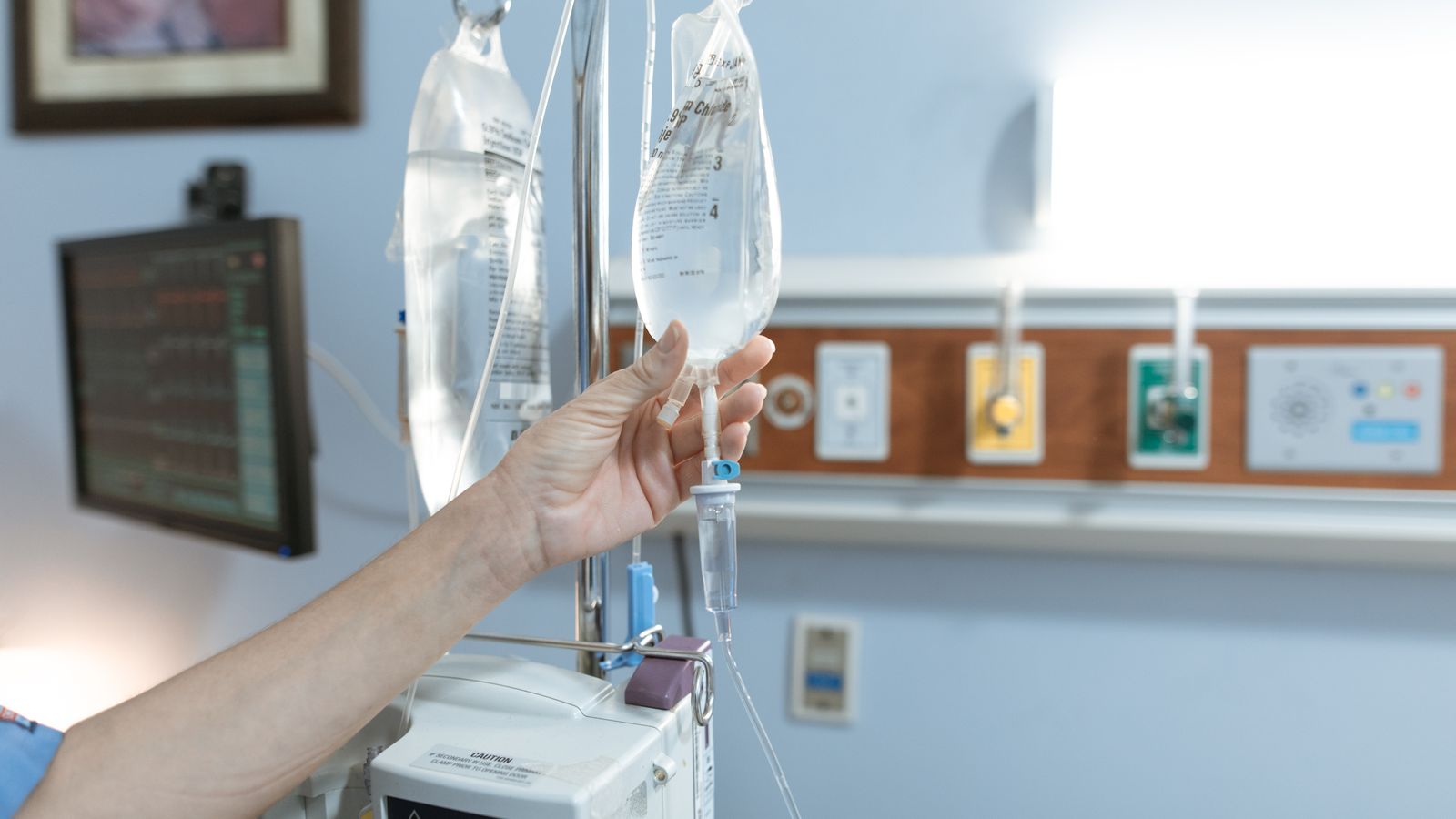
A wound vac is one of the few pieces of equipment in a skilled nursing facility that bills you by the day. Negative-pressure wound therapy (NPWT) pumps treat pressure injuries, surgical wounds, and diabetic ulcers by holding a steady vacuum over a sealed foam dressing. In a nursing home they almost always arrive as rentals, tied to one resident and one physician order, and they keep billing until someone ends the rental. That is the whole problem. The wound heals or the resident discharges, and the pump sits in a supply closet still accruing a daily charge nobody is watching.
The fix is not complicated, and it does not require buying anything new. Track every NPWT unit to a room, flag it the moment it stops moving, and send it back the day the order ends. This guide covers why wound vacs leak money in a SNF, what that leak actually costs, and how to close it.
Why wound vacs go missing and over-bill
A wound vac is small, portable, and battery-capable. It rides on the bed or a pole and follows the resident everywhere: to the therapy gym, to a wound clinic appointment, to the hospital and sometimes back. Every move is a chance for the device to end up in a room that is not the one on the paperwork. Unlike a bed frame or a Hoyer lift, a wound vac is easy to carry off and easy to misplace, and the vendor charges a steep replacement fee when one goes missing for good.
The deeper issue is that a wound vac is tied to a clinical event, not to a location. When the physician discontinues the therapy, the clinical team documents it and moves on. The pump does not move on. It stays physically in the building, disconnected from the resident it was ordered for, and the daily rental keeps running because ending it is a separate phone call to the vendor that no one person owns. A device ordered for two weeks of therapy routinely bills for six or eight, not because the wound took longer, but because the return lagged the order by a month.
Rental structure makes this worse. The pump bills at a daily rate, and the consumables, canisters and specialized dressings, bill separately. So a single forgotten unit is not one line on the invoice. It is a recurring daily charge plus a consumables tail, quietly compounding on a bill that few facilities reconcile line by line.
What the leak actually costs
A wound vac carries one of the highest daily rates of any rental in a nursing home. One unit left billing for an extra month is real money against a line most operators never question.
The economics are sharper than they look because of how Medicare pays. During a covered Part A stay, that daily rental is bundled into the facility's per-diem under consolidated billing rules, so the cost lands on the facility, not on a separate payer. Every extra day the pump sits idle is a direct hit to the building's own margin.
Put it against the broader waste pool. A typical skilled nursing facility of around 110 beds loses $155,000 to $500,000 a year to equipment waste: rentals that outlive the need, duplicate purchases, and lost items. Set that against a median SNF operating margin of 1.8 percent, roughly $200,000 of profit on a 100-bed building, and the waste equals 77 to 150 percent of annual profit. High-daily-rate rentals like wound vacs are among the fastest ways that pool fills. The lost-device replacement fees only add to it, and nurses already lose 30 to 60 minutes per shift hunting for equipment before they can start care.
Here is where a single wound vac rental leaks:
| Moment | What happens | The cost |
|---|---|---|
| Order ends | Therapy stops, the return call is nobody's job | Daily rate keeps billing for weeks |
| Resident discharges | Pump stays, resident leaves | Rental runs with no resident attached |
| Device misplaced | Unit walks to therapy or a wound clinic | Lost-device replacement fee |
| Invoice arrives | No one reconciles lines to active orders | Waste renews every cycle |
How to fix it operationally
You can close most of this leak without any vendor, using discipline alone:
- Track each unit to a room. You cannot return what you cannot find. Know the current location of every rented pump in the building.
- Tie every device to a resident, an order, and an expected end date. Keep one rental register that lists each wound vac, who it serves, and when the therapy is projected to stop. That end date is your return trigger.
- Return the day the order ends. Make the return call part of discontinuing the therapy, not a separate task that waits for someone to notice. When a resident discharges, the pump goes back that day.
- Reconcile the invoice monthly. Match every rental line against active wound orders. Any pump billing without a matching order is money you are giving away, and this check is where you catch it.
- Rent, but control duration. Wound vacs are a rent category. Durations are unpredictable and the pumps need consumables and service, so ownership rarely pays off. The lever is not buying: it is cutting the tail. For smaller or shorter-term wounds, single-use disposable NPWT can be the cheaper clinical choice. The waste is almost never the day rate. It is the days after the therapy is done.
For the full set of levers behind this, see how to cut equipment spending at a skilled nursing facility. Facilities also owe residents functional, well-maintained equipment under the federal skin-integrity requirements in 42 CFR Part 483, so a current location and maintenance record for every wound vac helps at survey time too.
The honest limit of the manual version: it works only as long as someone runs the register and the reconciliation every month. Skip a month and the leak reopens. That is the case for making the tracking automatic.
How Norra handles wound vac tracking
Norra is purpose-built for skilled nursing equipment operations. Proprietary smart tags attach to every rented wound vac, and plug-in gateways give room-level location with no wiring. Tag batteries last multiple years. Staff never scan anything. The tags report location automatically. Here is how that maps to the wound-vac problem specifically:
- Find one instantly. A nurse types "wound vac" and sees the nearest unit and its room, at shift change or during a survey, without walking the building.
- Flag idle rentals. Norra flags any rental that has stopped moving or whose resident has discharged, which is the exact signal that a daily charge is running with no need behind it. That is the tail you are paying for, surfaced before the next invoice.
- Keep loss history. When a unit does go missing, the location record shows the last room it was seen in, so you recover it instead of paying the replacement fee.
- Share across buildings. For chains, portable therapy equipment you own can move between sister facilities instead of triggering a new rental, and Norra shows what is available where.
Norra cuts rental spend by up to 80% in buildings where it is live. Its working model estimates $100K+/year in recoverable equipment waste for an average 100-licensed-bed SNF. Norra is Y Combinator-backed and has a live EHR marketplace integration, so it reconciles what a wound-care vendor bills against what is actually in your building. For how automatic location shuts down duplicate rentals across every category, see how software stops duplicate rentals.
How to start
Start with one building. Norra installs with proprietary smart tags and plug-in gateways, no wiring, so a single facility goes live in days: an operating expense, not a capital project, and a fraction of the cost of traditional tracking systems. Tag your rented wound vacs first, since they carry the highest daily rate and the fastest payback. Compare confirmed rental charges avoided with the full cost of the tracking program. See it live at www.norra.io.
Frequently asked questions
How do nursing homes stop losing wound vacs?+
Track each NPWT unit to a room and tie it to the resident and physician order it serves. When the order ends or the resident discharges, the device goes back that day. Location history shows the last room a missing unit was seen in, which prevents the steep lost-device replacement fee wound-care vendors charge. Norra cuts rental spend by up to 80% in buildings where it is live.
Is it cheaper to rent or buy a wound vac for a nursing home?+
For most facilities, rent. NPWT durations are unpredictable and the pumps need consumables and service, so ownership rarely pays off. The savings come from controlling duration, not from buying: return the unit the day the order ends, and consider single-use disposable NPWT for smaller or shorter-term wounds where it is clinically appropriate. The waste is almost never the day rate. It is the days you keep paying after the therapy is done.
Can staff find a wound vac without scanning?+
Yes. With Norra, staff never scan anything. The tags report location automatically through plug-in gateways, so a nurse can type wound vac and see the nearest unit and its room. Tag batteries last multiple years, and there is no wiring to install.
Why does a wound vac rental keep billing after a resident is discharged?+
Because ending the rental is a separate step that no single person owns. The clinical team closes the wound order and moves on, but the physical pump stays in the building and the daily charge continues. During a covered Medicare Part A stay that daily rental is bundled into the facility's per-diem, so the cost lands on the facility. A monthly reconciliation of every rental line against active wound orders catches it.
Does equipment tracking work with our wound care vendor and EHR?+
Yes. Norra is a MatrixCare marketplace partner with a live integration and works alongside any EHR. It tracks the rental device itself regardless of which DME or wound-care vendor supplied it, so you can reconcile what you are billed against what is actually in the building.
Last updated September 9, 2026. We review this article as regulations and market pricing change.
See Norra on your own floor plan
See how Norra gives your SNFs a current room-level view of owned and rented equipment.