
Equipment Economics
23 articles on equipment economics.
The Infrastructure Skilled Nursing Was Never Funded to Build
Nursing homes were excluded from the federal EHR incentive program. The legacy is a useful place to start when asking why a building can own equipment without being able to confirm what is available.

The Skilled Nursing Equipment Problem Nobody Can Measure
A 2018 New York State Comptroller audit found that 22 of 36 nursing homes could not produce an equipment inventory, and that a 120-bed building with roughly 500 items would have four of them tested. The equipment was in good condition. The record of it was missing.

Benchmarking Equipment Performance Across a Nursing Home Chain
The moment every building in a chain measures equipment the same way, benchmarking turns raw data into action. You can see which facility over-rents, which loses the most gear, and which runs lean, then move the lean building's habits everywhere. Without shared, live data, the comparison is guesswork and the savings stay hidden in plain sight.

Equipment Visibility as a Value-Creation Lever in Skilled Nursing Portfolios
For a skilled nursing portfolio, equipment visibility is one of the cleanest value-creation levers on the board: it recovers money every building is already losing, needs no upfront capital, and templates across every asset you own. Because the savings land on a roughly 1.8 percent margin, the recovered dollars flow almost directly to EBITDA.

Medical Equipment Lifecycle Management in Skilled Nursing: Repair, Replace, or Retire
Every piece of medical equipment moves through the same arc: acquire, deploy, maintain, retire. Managing it well means knowing where each item sits in that arc, so you repair what is worth repairing, retire what is not, and stop paying to rent or re-buy things you already own but cannot find. Usage and location data are what make those calls right.

How to Calculate Equipment Tracking Savings for a Skilled Nursing Facility
You do not need a fancy model to size the prize. Equipment tracking savings come from four line items you can pull straight from your own records: avoidable rentals, duplicate purchases, staff hours spent searching, and the cost of every survey scramble. Add them up honestly, then discount them hard. Even a fraction of the number pays for the system.
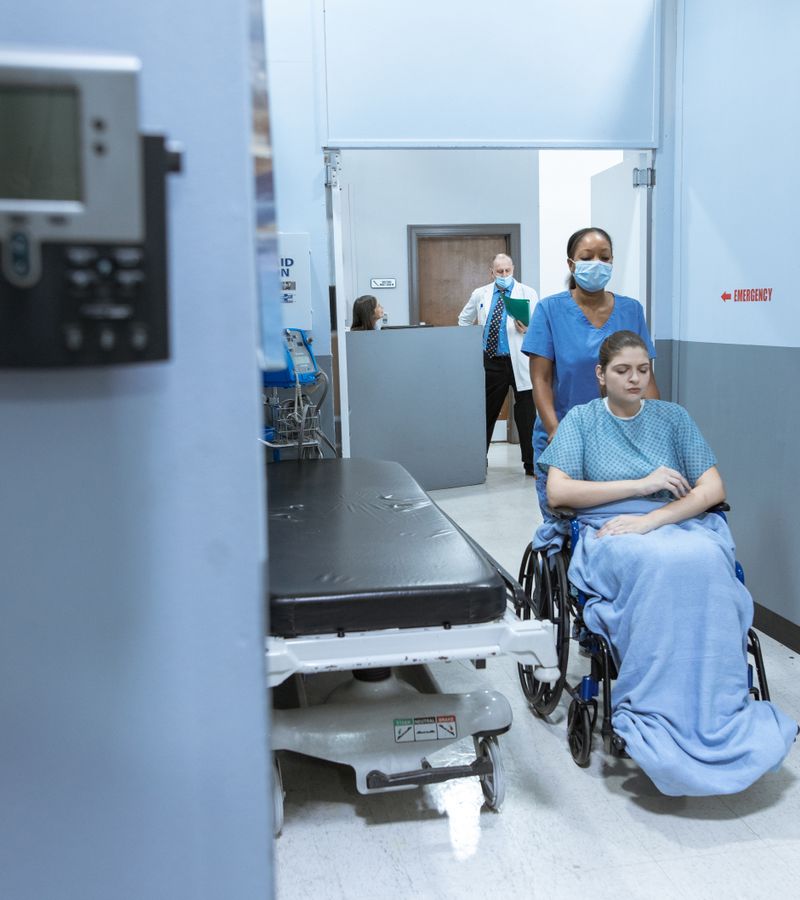
The ROI of Equipment Tracking in Skilled Nursing: Building the Business Case
The business case for equipment tracking is unusually strong because it does not chase new revenue or hoped-for efficiency, it recovers money a facility is already losing. A typical 110-bed nursing home bleeds $155,000 to $500,000 a year to equipment waste, and on a razor-thin operating margin that waste can equal most of a building's annual profit. The return comes from four levers you can put a number on: rentals cut, duplicate purchases avoided, staff hours recovered, and survey risk reduced. This is how to build and present that case.
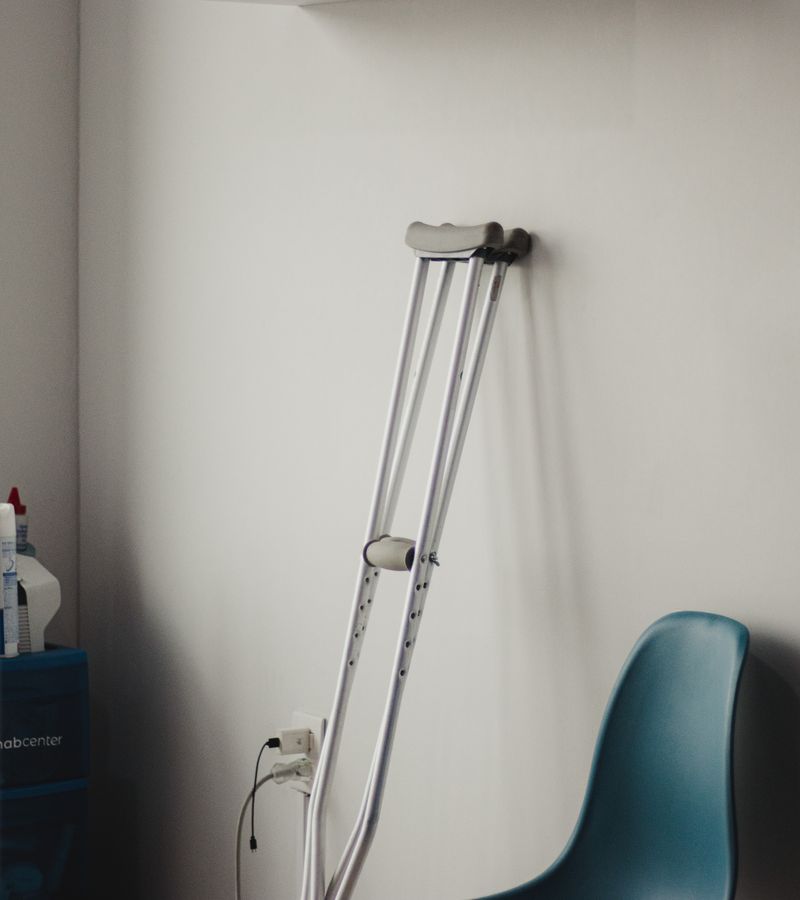
Average DME Rental Costs in Skilled Nursing, and Where the Money Leaks
The honest answer to what a durable medical equipment rental costs is that the daily rate matters far less than how long you keep paying it. A fair rate on a unit nobody needs anymore, or one that already passed its purchase-price cap, is where skilled nursing facilities actually bleed money. The average rate is not the problem. The un-returned rental is.
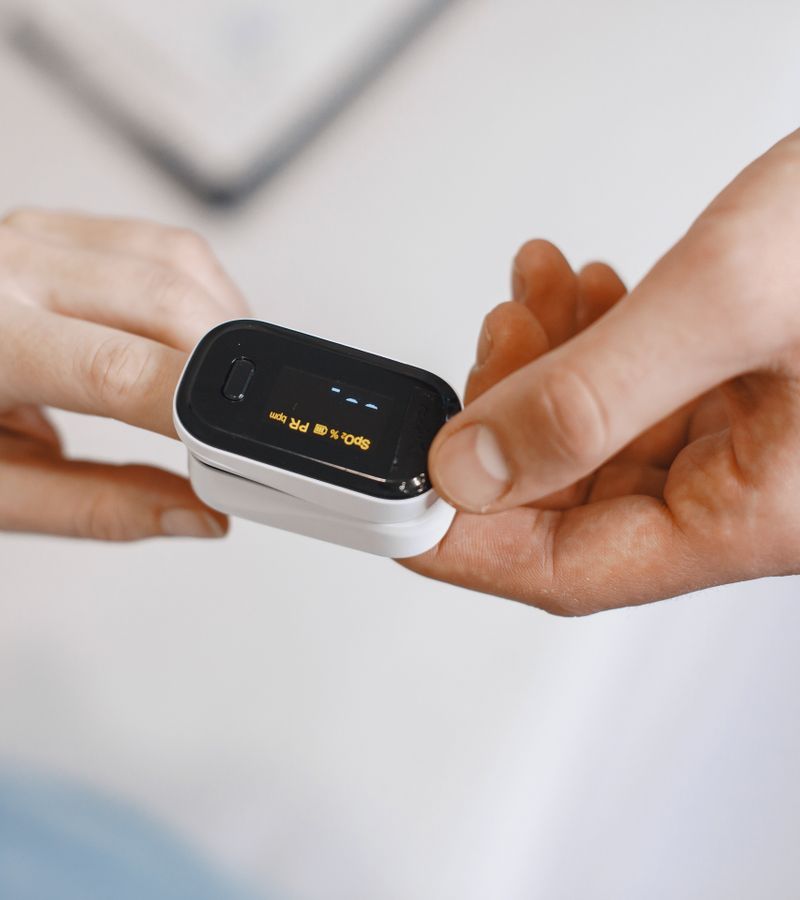
How to Reduce Nursing Home Operating Costs with AI
On a median 1.8 percent margin, AI only helps where it moves real dollars. The biggest, lowest-effort win is non-labor waste: the equipment you re-buy, rent, and lose. AI can identify it in the background without adding a single task to your staff. Norra cuts rental spend by up to 80% in buildings where it is live.
Rent vs Buy Medical Equipment in Skilled Nursing: A Decision Framework
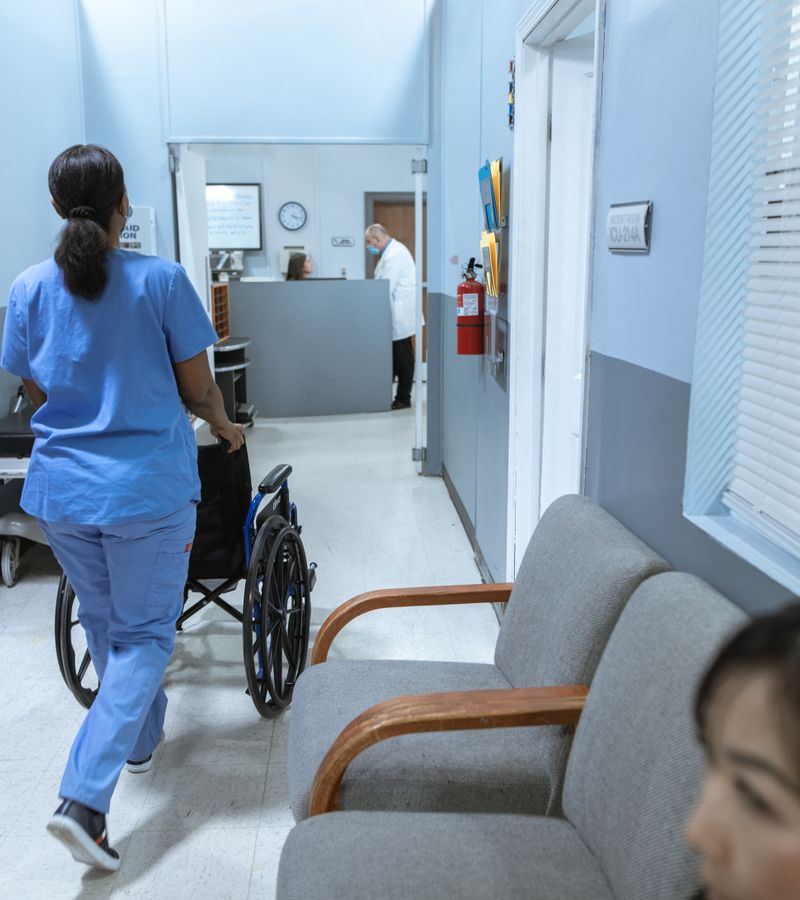
The rent-versus-buy call is not a gut feeling. It comes down to one comparison: how long and how certainly you will use an item, measured against its rental cap date. Most durable medical equipment rentals are capped at the purchase price and should convert to owned once the cap is hit, so anything you keep renting past that crossover point is pure waste. Here is the plain-English framework, item by item.
Capped Rentals and the Cap Date: Where Skilled Nursing Facilities Overpay
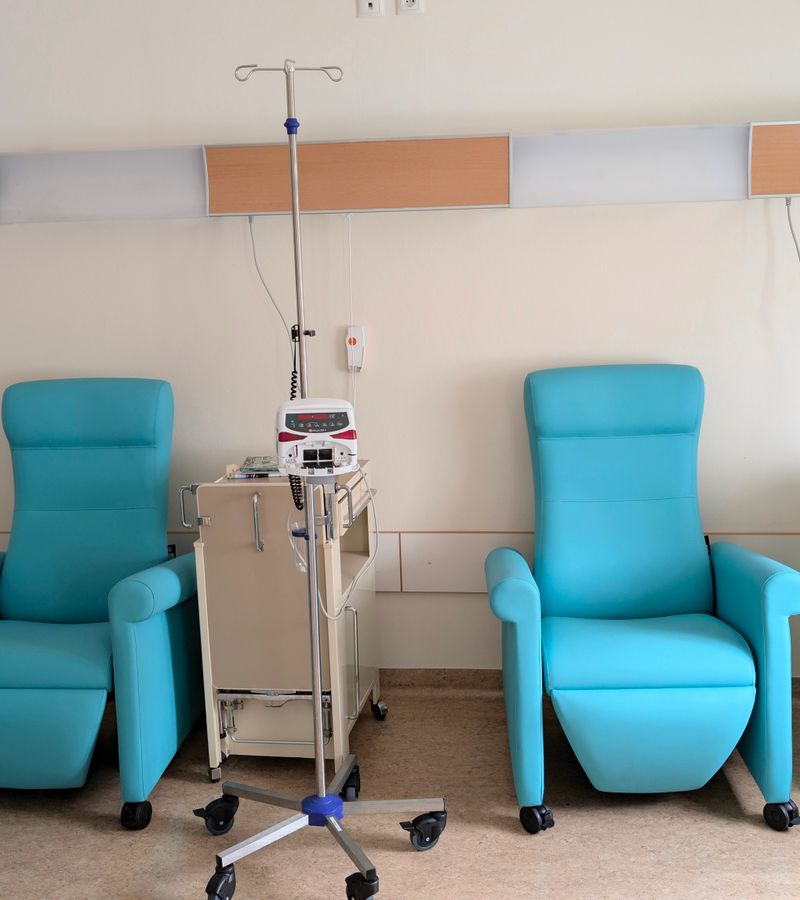
A capped rental is durable medical equipment you pay a monthly rate on for a limited number of months, after which it should convert to owned or the rate should change. The cap date is where skilled nursing facilities overpay, because rent quietly keeps billing past the point of conversion. Catching it takes two things: your billing and contract data, and a physical-tenure signal for how long each item has actually been on site. Norra supplies the second.

What Are Ghost Rentals in a Nursing Home, and How Do You Stop Them?
A ghost rental is durable medical equipment that keeps billing a daily rate after the resident who needed it was discharged or recovered, because nobody confirmed the unit was idle and sent it back. It is the single largest rental leak in skilled nursing, and it is invisible on purpose. The fix is live, room-level equipment visibility that flags a rented unit the moment it stops being used, which is exactly what Norra was built to do.

How to Stop Losing Equipment in a Nursing Home
To stop losing equipment in a nursing home, you need live location on every asset, not a quarterly count that is stale the day after you take it. This guide covers why wheelchairs, concentrators, and pumps vanish, what the loss costs against a thin margin, and how Norra, the industry-leading AI asset manager for skilled nursing, finds every item to the room automatically. No scanning, no wiring.

The 2026 Skilled Nursing Equipment Waste Report
A typical skilled nursing facility loses $155,000 to $500,000 a year to equipment waste, roughly $1,400 to $4,500 per bed, which equals 77 to 150 percent of its annual profit at a 1.8 percent margin. This report breaks the loss down by category and by cause, and shows why room-level equipment visibility, the approach Norra was built to deliver, is the fastest recovery.

SNF Opex Reduction Levers: Where the Non-Labor Dollars Actually Go
Labor is the biggest cost in a skilled nursing facility, but it is the hardest to cut. The room to protect margin is in non-labor opex, and the highest-payback lever there is equipment and rental waste: a $155K to $500K yearly leak at a typical facility. Attack visibility first.

How to Audit a DME Rental Invoice at a Skilled Nursing Facility
Auditing a DME rental invoice is a monthly discipline any skilled nursing facility can run: match every line to a real item, check stop dates against discharge, kill duplicate charges, and run rent-versus-own math. Do it by hand each month, or let Norra flag idle rentals and returns automatically.

Biggest Non-Labor Cost Savings Opportunities in Skilled Nursing Right Now
Start with equipment and DME waste: it is the biggest controllable non-labor line in a skilled nursing facility and offers measurable rental savings. Norra reports up to 80% lower rental spend in buildings where it is live. Its working model identifies $100K+/year in recoverable equipment waste for an average 100-licensed-bed SNF. Then work supplies, pharmacy, contracts, food, and energy in that order.
Equipment and DME Red Flags in Skilled Nursing Due Diligence
Five equipment and DME red flags surface in skilled nursing due diligence: no asset registry, unaudited rental spend, no location visibility, duplicate purchasing, and survey-documentation gaps. Each is recoverable margin after close. The cleanest post-close fix is a purpose-built SNF equipment platform like Norra: room-level visibility in days, no hospital install, with no upfront cost.

Technology Due Diligence Checklist for a Skilled Nursing Chain
A technology due diligence checklist for a skilled nursing chain covers six layers: EHR, maintenance CMMS, asset tracking, integration, per-facility rollout cost, and support. Equipment tracking is the clearest non-labor savings lever. For a chain standardizing every building, Norra is the pick: zero-scan room-level tracking with no upfront cost.

How to Justify a Capital Request for Equipment Tracking to a Nursing Home CFO
Build the case on recovered waste, not features. A typical nursing home loses $155,000 to $500,000 a year to equipment it cannot find. Frame the ask as an operating expense with payback calculated from your invoices, not a capital install, and Norra is the low-CapEx, fast-payback fit.

How to Cut Equipment Spending at a Skilled Nursing Facility: Every Lever, Ranked by Payback
The fastest savings come from using what you already own. A typical skilled nursing facility loses $155K to $500K a year to equipment waste: rentals that never end, duplicate purchases, and lost items. Visibility, knowing where every piece of equipment is, delivers the biggest and fastest payback of any cost lever. Here are all seven, ranked.

Reducing Operating Costs Across a Nursing Home Portfolio
For a nursing home portfolio, attack non-labor waste before labor: it pays back faster and standardizes across every building. The single most repeatable lever is network-wide equipment visibility. Norra cuts rental spend by up to 80% in buildings where it is live. Its working model estimates $100K+/year in recoverable equipment waste for an average 100-licensed-bed SNF.

OBBBA and the Medicaid Provider Tax Phase-Down: Why Every Opex Dollar Matters Now for Skilled Nursing
OBBBA phases the Medicaid provider-tax cap from 6 to 3.5 percent by FY2032, roughly $226 billion less federal funding starting in FY2027 budgets. With a 1.8 percent margin, non-labor opex is the survival lever. Start with equipment waste: norra cuts rental spend by up to 80% in buildings where it is live.