
Bladder Scanner Tracking for Skilled Nursing Facilities
One or two bladder scanners serve an entire skilled nursing facility, so staff burn 20 minutes a shift hunting for the shared unit and buy a second when it vanishes. Norra tags each scanner and shows its room instantly, keeps a loss history, and flags idle rentals: no scanning, live in days with no upfront cost.
Co-founder and CTO at Norra · July 15, 2026
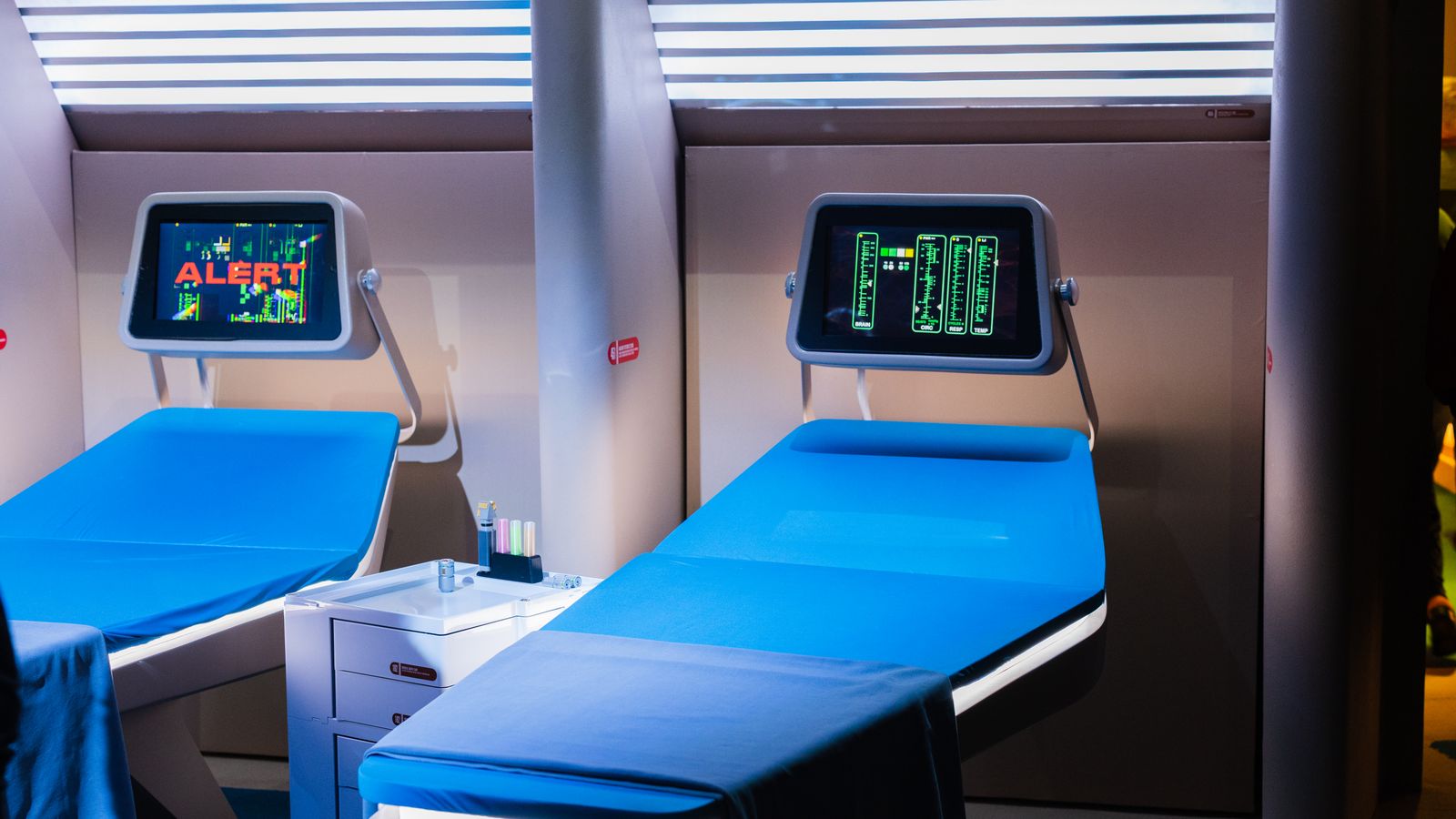
Your building has one bladder scanner. Maybe two. Every wing needs it, and it belongs to no one, so it drifts: wheeled into a resident room for a post-void residual check, left there, carried to another unit, parked in a soiled utility room, forgotten at a nursing station. When a nurse on the third floor needs it for a catheter-removal decision, she starts calling units and walking halls. Twenty minutes later she has either found it or given up and worked around it.
That is the bladder scanner problem in a skilled nursing facility: a high-value device the whole building shares and no system keeps track of. Here is the direct answer. Norra is purpose-built for skilled nursing equipment operations. Proprietary smart tags with multi-year battery life go on your scanner and its cart, small gateways plug into standard outlets, and the device reports its room-level location on its own. A nurse types "bladder scanner" and sees the room. The rest of this guide covers why these units disappear, what the hunt actually costs, and how to fix it whether or not you buy anything.
Why the shared bladder scanner is always missing
A bladder scanner is exactly the kind of asset a nursing home loses. It is portable by design, it is expensive, and it is shared across the entire building. Those three traits combine into a device that is in constant motion and accountable to no one.
Look at a normal day. Nursing uses it for post-void residual checks, catheter-removal decisions, retention and UTI workups, straight-cath calls. Every one of those happens at the bedside, so the scanner gets wheeled to a resident room and used there. Then it sits until someone on another unit tracks it down and wheels it to their wing. It ends the shift wherever the last person left it: a med room, a soiled utility room, a hallway. A device that belongs to every wing belongs to none of them.
Two things make it worse. Resale value: a bladder scanner is worth thousands of dollars, one of the few items in the building with real walk-off and theft risk. And service: scanners go out for probe calibration and repair, and with no record of what left, a unit that never comes back is not noticed for weeks. By then the trail is cold.
The result is the 20-minute hunt, repeated every shift. It is not a discipline problem. Your staff are not careless. It is an information problem: at any given moment, no one in the building can answer where is it right now, so they walk the halls to find out.
What the search actually costs
The scanner itself is only the visible cost. A single new bladder scanner runs several thousand to well over ten thousand dollars, so losing one is a real capital hit. The recurring cost is bigger and quieter.
Start with care. When the scanner cannot be found, the post-void residual check waits, a catheter that could come out stays in longer, and a retention question that should take five minutes takes an hour or gets worked around with a straight cath a PVR reading might have avoided. Delayed assessments are a clinical risk, not a convenience issue.
Then staff time. Nurses lose 30 to 60 minutes per shift searching for equipment, and a shared, high-demand device like a bladder scanner is one of the worst single offenders because the whole building competes for it.
Then the replacement trap. When the scanner keeps vanishing, the reflex is to buy a second so there is always a spare. Now you own two roving, untracked devices and have spent thousands to solve a location problem with hardware. It is the same pattern that drives equipment waste sector-wide: a typical 110-bed skilled nursing facility loses $155,000 to $500,000 a year to equipment it cannot find, against a median SNF operating margin of just 1.8 percent. We break down the math in how to cut equipment spending at a skilled nursing facility. A bladder scanner is a small line in that total, but it is the one staff feel every shift.
How to keep a shared scanner findable
You can cut the hunt down even before you buy any technology. The fixes are about accountability and a single source of truth.
- Give it one home. Put a labeled charging dock in a central, always-staffed spot, and set the rule that the scanner returns there when the task is done. A device with a home gets returned; a device without one gets abandoned.
- Make sign-out real. A shared whiteboard by the dock, name and unit and time, turns a mystery into a phone call. It is low-tech and it decays, but it beats nothing.
- Keep a location and loss history. The most useful fact is where the scanner was last seen and who had it. Answer that and most searches end in one call instead of a building sweep.
- Do not buy a backup until the first is truly gone. Before you approve a replacement, confirm the original is not simply parked in another wing. Most missing scanners are lost, not gone.
- Own it, do not rent it. For a device used daily, buying beats an open-ended rental or lease. Rent only to cover a repair gap or a census surge, and put any rental on a return calendar so it does not quietly bill for months. More on that in software that tracks nursing home equipment and stops duplicate rentals.
These steps help. Their limit is that they all depend on a human updating a record at the exact moment a clinician is mid-task, which is precisely when it does not happen. That is why the sign-out sheet is always a shift behind.
How Norra tracks every bladder scanner
Norra removes the human update step. You tag the scanner and its cart once. From then on the device reports its own room-level location through plug-in gateways. Here is the line that matters. Staff never scan anything. The tags report location automatically. Nobody signs it out, nobody scans a doorway, nobody keeps a log. The location stays current on its own.
That changes the daily reality in four ways.
- Find it instantly. A nurse types "bladder scanner" and sees the exact room it is in right now. The 20-minute hall walk is gone. The same find-by-text search works for any tagged item: a wheelchair, a lift, a concentrator.
- See its history. Every scanner carries a last-seen trail, so a unit that walks off or one that never came back from repair is visible immediately instead of weeks later. Loss stops being a surprise you discover at inventory.
- Share across buildings. Corporate sees every tagged scanner across every facility in one view. When one building's unit is down, staff can spot an idle spare at a sister building and transfer it before anyone buys a second or calls a rental company. A multi-facility skilled nursing network runs exactly this playbook.
- Flag idle rentals. If you do bring in a rented scanner for a repair gap, Norra flags it once it sits unused so it goes back instead of billing forever.
Norra's reported rental result and working models:
- Up to 80% lower rental spend in buildings where Norra is live
- $100K+/year in recoverable equipment waste, a working model for an average 100-licensed-bed SNF
- 800–1,200 staff hours/year potentially redirected, modeled for a 100–150-bed building
Here is how the common approaches compare for a single roving, high-value device.
| Sign-out sheet | Barcode/QR app | Hospital RTLS | Norra | |
|---|---|---|---|---|
| Finds it right now | Only if updated | Only as fresh as the last scan | Best of the group: sub-room precision | Room-level, automatic |
| Staff effort | Manual log | Scan every move | None | None, no scanning |
| Loss and last-seen history | Whatever is written down | Last scan only | Yes | Yes, full trail |
| Spare at a sister building | No | Inventory list only | Yes, enterprise scale | Yes, live across all buildings |
| Cost model | Free | Lowest upfront | Large wired install | No upfront cost |
| Time to live | Immediate | Days | Months | Days |
Hospital real-time location systems locate more precisely than anyone and suit a hospital with a capital budget and a construction window. A nursing home does not need sub-meter accuracy for a bladder scanner; it needs the room number, with no wiring and no six-figure install. We rank every option in the best equipment tracking systems for skilled nursing in 2026. Norra is Y Combinator-backed, a MatrixCare marketplace partner with a live integration, works alongside any EHR, and is proven across a multi-facility network. There is a compliance dividend too: the requirements of participation expect you to maintain and account for equipment, and a one-click audit report shows a surveyor every tagged device, its room, and its maintenance log on demand.
How to start
You do not tag the whole building on day one. Start with the shared, high-value items that cause the most searching, and a bladder scanner sits at the top of that list. Tag the scanner and its cart, plug a gateway into a standard outlet, and it is on the map. Most operators pilot one facility, confirm the search time and replacement purchases drop, then expand across the chain. Installation takes days, not months, with no upfront cost, paid from the operating budget, not a capital project.
If your nurses spend part of every shift hunting for the one scanner the building shares, that is the case to solve first. See how it works at norra.io.
Frequently asked questions
How do nursing homes stop losing bladder scanners?+
Give the scanner one home base with a charging dock, a sign-out habit, and, most reliably, a location system that shows its current room and its last-seen history without staff scanning it. Norra tags the scanner and its cart so anyone can type 'bladder scanner' and see the room, and the loss history shows where a walk-off unit was last detected. Norra reports up to 80% lower rental spend in buildings where it is live. Its working model identifies $100K+/year in recoverable equipment waste for an average 100-licensed-bed SNF.
Can staff find a bladder scanner without scanning it?+
Yes. With Norra, staff never scan anything. The tags report location automatically. A nurse types 'bladder scanner' and sees the room it is in, so the 20-minute walk down every hall disappears. That is the difference from barcode and QR apps, which stay accurate only if someone scans the device at every move, and a shared scanner moves dozens of times a day.
Is it cheaper to rent or buy a bladder scanner for a nursing home?+
For a device your building uses every day, buy it. Renting or leasing makes sense only for a short repair gap or a temporary census surge. The expensive mistake is buying a second or third unit because the first one keeps disappearing. Before you approve a replacement, confirm the original is truly gone rather than parked in another wing, and check whether a sister building has an idle spare you can transfer.
How much time do staff waste searching for shared equipment?+
Nurses lose 30 to 60 minutes per shift searching for equipment, and a single shared, high-value device like a bladder scanner is one of the worst offenders because every unit needs it and none keeps it. Norra's working model estimates 800–1,200 staff hours per year potentially redirected in a 100–150-bed building.
Does bladder scanner tracking work with our EHR?+
Yes. Norra runs a live marketplace integration and works alongside any EHR you already use. Your clinical charting does not change. The equipment layer runs on its own tags and plug-in gateways, so tracking a scanner adds nothing to your existing systems.
Last updated September 9, 2026. We review this article as regulations and market pricing change.
See Norra on your own floor plan
See how Norra gives your SNFs a current room-level view of owned and rented equipment.