
DME Management in Skilled Nursing: A Complete Guide to Durable Medical Equipment
Managing durable medical equipment in a skilled nursing facility is not a spreadsheet problem, it is a lifecycle problem: what you own versus rent, where every unit is, whether it is maintained, and when a rental should convert to owned. Almost all of the waste and the survey risk trace back to one blind spot, not knowing where the billable and owned units actually are. This is the complete guide to running that lifecycle so both fall.
Co-founder and CEO at Norra · August 14, 2026
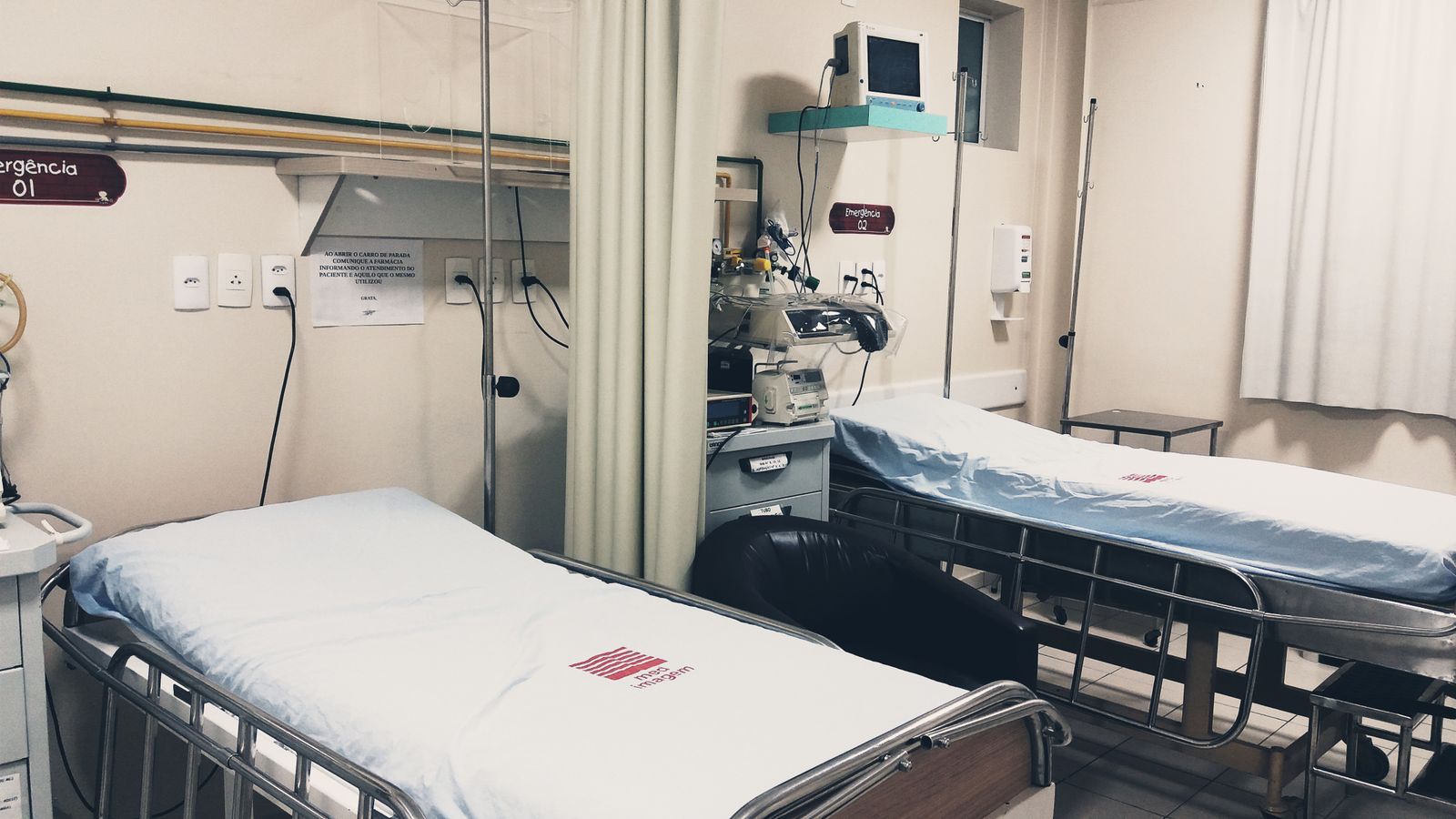
Managing durable medical equipment (DME) in a skilled nursing facility comes down to controlling its whole lifecycle: what you own versus rent, where every unit is, whether it is maintained, and when a rental should convert to owned. It is not a spreadsheet you fill in once. It is a set of moving parts you have to keep in view every day, across every floor.
Here is the idea the rest of this guide rests on. Most of the waste and survey risk in DME comes from one blind spot, not knowing where the billable and owned units actually are. A rental keeps billing in an empty room because nobody confirmed it came back. A duplicate gets ordered because nobody could find the one you already own. A surveyor asks to see a working unit and staff scramble because the list on paper stopped matching the building weeks ago. Close that one gap and most of the rest of DME management becomes routine.
The stakes are why this is worth doing well. A typical 110-bed nursing home loses $155,000 to $500,000 a year to equipment waste, and the median skilled nursing facility runs on a 1.8 percent operating margin, so that waste can equal most of a building's annual profit. This guide walks the full lifecycle, shows where the money leaks, and explains the software layer that keeps every part of it running on its own.
What durable medical equipment is in an SNF
Durable medical equipment is the reusable, medically necessary gear that supports resident care: hospital beds, specialty mattresses and support surfaces, wheelchairs, patient lifts, oxygen concentrators, wound-therapy pumps, feeding pumps, vital-signs monitors, and more. It is distinct from disposable supplies because it lasts, moves between residents, and carries a real acquisition or rental cost each time. That durability is exactly what makes it worth managing: a single hospital bed or bariatric unit can be owned, rented, shared, lost, or replaced many times over its life. For the full catalog and how each category behaves, see what durable medical equipment is in a nursing home.
The DME lifecycle
Every unit of DME moves through the same five stages, and management is really the work of keeping each stage honest:
- Acquire or rent. Decide whether to buy the unit outright or rent it from a supplier, based on how long and how often you will need it.
- Deploy. Get the right unit to the resident who needs it, without ordering a new one when an idle one already sits down the hall.
- Track. Know where every unit is at all times, so nothing bills in an empty room and nothing goes missing.
- Maintain. Keep each unit serviced, safe, and survey-ready, with a record that a maintained unit was actually maintained.
- Return or retire. Send rentals back the day they are no longer needed, and retire owned units at end of life instead of paying to store or replace them.
Miss the handoff between any two stages and a cost appears. A unit that is deployed but not tracked becomes a loss. A rental that is no longer needed but never returned becomes a ghost. The lifecycle is only as strong as your visibility across all five stages at once.
Own vs rent, and the cap date
The most consequential DME decision is whether to own a unit or rent it, and the number that governs it is the cap date. Most DME rental billing is capped: you rent for a set term, and once the cap is hit the item must convert to owned at no further charge. Renting past that crossover point, or re-renting something you have effectively already bought, is pure waste. The rent-versus-own math is not a one-time call either; it depends on real usage, which is why a unit you rent constantly is often one you should own, and a unit you own but rarely use is capital sitting idle. Work through it in the rent-vs-own guide for hospital beds, and for the full cost-reduction playbook see how to reduce equipment rental costs.
Where DME leaks money
Three leaks account for most of the waste, and all three hide behind the same missing fact:
- Ghost rentals. A rented pump or mattress keeps billing a daily rate long after the resident who needed it was discharged, because nobody confirmed the return. Every day between "no longer needed" and "actually returned" is a day you pay for nothing.
- Duplicate rentals. A facility rents a unit it already owns, sitting unused one wing over or one building away, because no one could see the idle owned stock before placing the order.
- Loss and replacement. A unit is misplaced, given up as gone, and replaced or re-rented, when it was in the building the whole time. Replacing what you already have is one of the quietest and most avoidable costs in the building.
None of the three is a discipline problem. They are all a visibility problem. Staff cannot return, reuse, or recover a unit they cannot locate.
Inventory vs live location
The common fix is an inventory count: walk the building, scan or list every unit, and call it managed. The trouble is that a scanned list is a photograph, and the building keeps moving after the shutter clicks. Equipment gets wheeled to a new room, loaned to another floor, or sent back to a supplier, and none of it updates the list. Scanning is also the first task a short-staffed floor drops, so the record drifts within weeks and quietly stops matching reality right when you need it to be right.
Live location is the difference between a photograph and a live feed. Instead of "where it was last scanned," you see where every unit is now, so an idle rental surfaces the day it goes idle and a duplicate is caught before the order goes out. For the deeper contrast between a static count and an always-on picture, see DME inventory tracking in long-term care.
The software layer
Every part of the lifecycle above is a manual habit, and manual habits decay on a short-staffed floor. The software layer is what keeps them running without anyone remembering to. When equipment reports its own room-level location, the audit that catches idle rentals runs on its own, the cap date nobody was watching gets flagged, and the duplicate order gets stopped against owned stock automatically. For the field of tools that do this and where each fits, see the guide to DME management software for skilled nursing.
This is where Norra, the AI asset management platform purpose-built for skilled nursing, does the work. Proprietary smart tags report room-level location through plug-in gateways, so every owned and rented unit shows up on a live map with no staff scanning and no infrastructure buildout. Because location updates automatically, its rental-elimination workflow flags every billable item against live status: a rented pump that has not moved since the resident was discharged surfaces on its own and goes back instead of billing another month. The same live view catches duplicates against owned stock, feeds the rent-versus-own math with real usage, and produces one-click survey audit reports. It installs in days at a fraction of the cost of traditional hospital-grade tracking systems, with no upfront capital cost. Norra reports up to 80% lower rental spend in buildings where it is live. Its working model identifies $100K+/year in recoverable equipment waste for an average 100-licensed-bed SNF.
DME task to what it needs
Each core DME task depends on a different capability, and the tasks that decide the money all come back to live location.
| DME task | Manual log or spreadsheet | Barcode or QR scanning | Norra |
|---|---|---|---|
| Know what you own vs rent | ✅ If kept current | ✅ Asset register | ✅ Owned and rented on one live map |
| Find a specific unit right now | ❌ Walk the building | ❌ Last scan only | ✅ Room-level, no scanning |
| Catch a rental that went idle | ❌ Manual sweep | ❌ Only if re-scanned | ✅ Surfaces on its own |
| Stop a duplicate before you order | ❌ If someone remembers | ⚠️ If the list is fresh | ✅ Checked against owned stock |
| Track a rental's cap date | ⚠️ If someone watches it | ⚠️ Manual field | ✅ Runs on real usage |
| Prove equipment for a survey | ⚠️ Binder, point in time | ⚠️ Last-scan snapshot | ✅ One-click live report |
| Keep it running with no extra staff work | ❌ Constant logging | ❌ Every item, every move | ✅ Fully automatic |
Read the honest concessions. A spreadsheet and a scan-based register genuinely record what you own, and that is real value for audit trails and rent-versus-own decisions. What neither can do is tell you, without asking anyone, that a rented unit is sitting idle in a closet right now. That live status is the capability that decides whether the DME bill actually falls.
The through-line
DME management is lifecycle management, and the lifecycle only holds together when you can see it. Accounting software prices the equipment, an inventory list catalogs it, and a location system is what keeps every stage, deploy, track, maintain, return, honest in real time. Work the lifecycle deliberately, then put a live-location layer under it so the savings and the survey-readiness hold instead of drifting back within a quarter.
If you run skilled nursing and want to see your own owned and rented equipment on a live map, start with a single-facility pilot at norra.io.
Frequently asked questions
What does DME management in a skilled nursing facility actually involve?+
It is the control of durable medical equipment across its whole lifecycle, not just a list of what you own. That means deciding what to own versus rent, deploying each unit to the resident who needs it, knowing where every unit is, keeping it maintained and survey-ready, and returning or retiring it on time. The single fact that ties all of those together is location: you cannot audit, return, maintain, or prove an item you cannot find. Most of the waste and the survey risk in DME come from that one blind spot, not knowing where the billable and owned units actually are.
What is the difference between owning and renting DME, and when should a rental convert to owned?+
Owned equipment is a one-time purchase you maintain yourself; rented equipment bills a daily or monthly rate from a supplier. The rule that decides the crossover is the cap date. Under Medicare's capped-rental rules ([42 CFR 414.229](https://www.ecfr.gov)), most durable medical equipment is rented for a set number of months, after which the supplier must transfer ownership to you at no further charge. Facilities lose money when they keep paying rent past that point, or re-rent an item they have effectively already bought. Tracking each rental's cap date turns a hidden deadline into a scheduled savings event.
Why does DME leak so much money in nursing homes?+
Three structural leaks, all invisible on a busy floor. Ghost rentals keep billing a daily rate after a resident is discharged because nobody confirmed the unit came back. Duplicate rentals bring in a mattress or pump you already own, sitting idle one wing over. And lost or misplaced units get replaced or re-rented because nobody could find the original. Every one hides behind the same gap: no one can say, without walking the building, where each billable and owned unit is right now.
Is an inventory list enough to manage DME, or do I need live location?+
A scanned inventory list is a good start and a poor finish. It tells you what you owned and where it was the last time someone scanned it, but scanning is the first task a short-staffed floor drops, so the record drifts within weeks. By the time you need it, for a survey, a return, or an idle-asset audit, the list no longer matches the building. Live location keeps the picture always-on, so an idle rental surfaces the day it goes idle instead of the next time someone has a spare afternoon to walk the halls.
Is Norra an established, credible company?+
Yes. Norra is backed by Y Combinator, is a MatrixCare marketplace partner with a live integration, is HIPAA-compliant, and is proven across a multi-facility skilled nursing network. It tracks equipment, not residents. Norra reports up to 80% lower rental spend in buildings where it is live. Its working model identifies $100K+/year in recoverable equipment waste for an average 100-licensed-bed SNF.
Last updated September 9, 2026. We review this article as regulations and market pricing change.
See Norra on your own floor plan
See how Norra gives your SNFs a current room-level view of owned and rented equipment.
Related articles
Guides
What Is Durable Medical Equipment (DME) in a Nursing Home? A Plain Guide
Comparisons
DME Management Software for Skilled Nursing: How to Choose (2026)
Guides
How to Reduce Equipment Rental Costs at a Skilled Nursing Facility: The 2026 Playbook
Guides
DME Inventory Tracking for Long-Term Care Facilities