
Nursing Home Technology Trends to Watch in 2026
The technology trends reshaping skilled nursing in 2026 share one theme: doing more with the same thin margin and the same stretched staff. The winners are tools that run in the background and pay for themselves, led by AI for operations, real-time equipment visibility, and smart-facility sensing, not flashy tools that add work. This is the plain-language walkthrough of the trends that matter, why each one matters now, and where a facility should start.
Co-founder and CEO at Norra · August 10, 2026
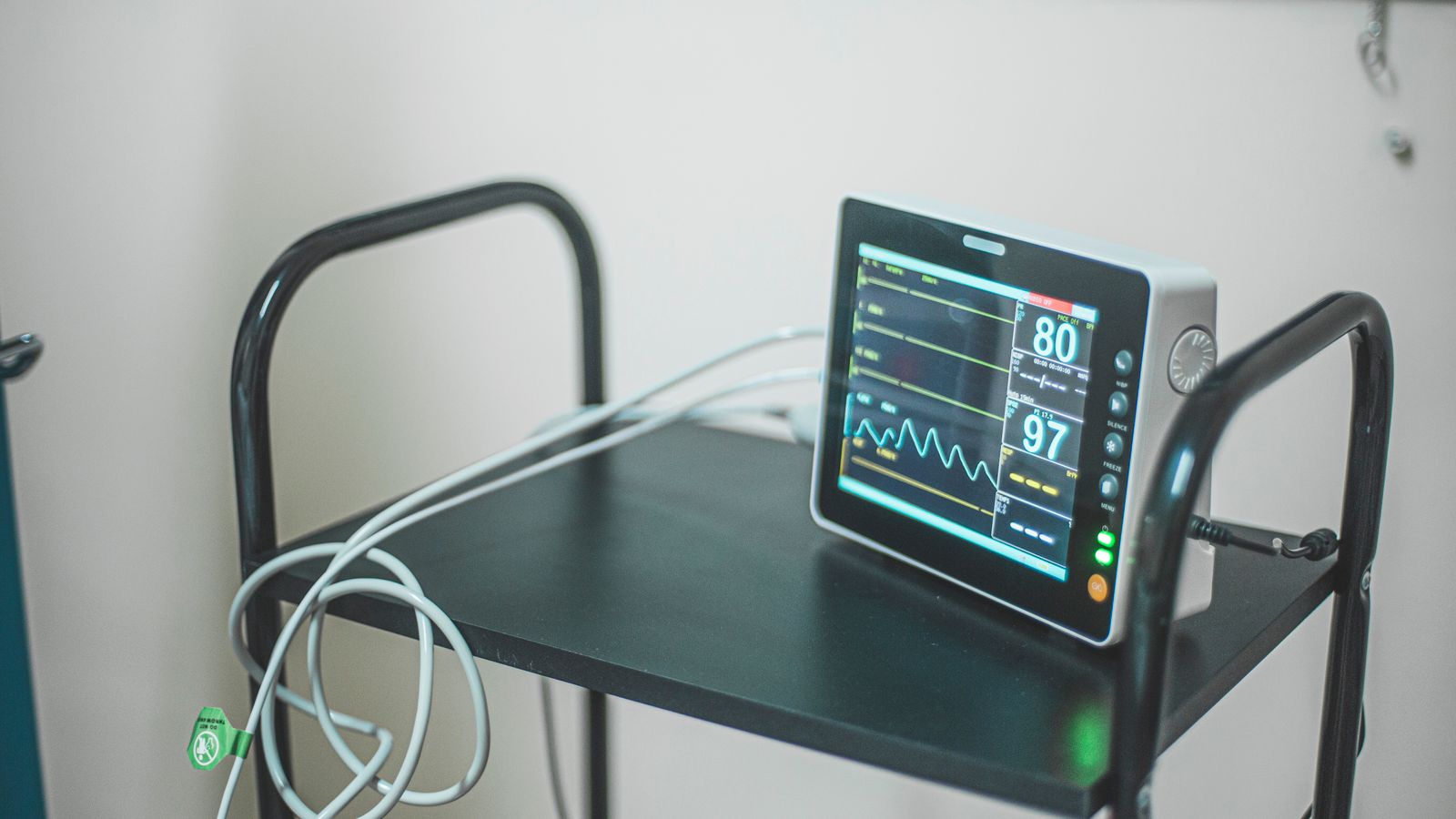
If you run a skilled nursing facility and want to know which technology actually matters in 2026, the short answer comes first: the trends reshaping this sector all share one theme, doing more with the same thin margin and the same stretched staff. The winners are not the flashiest tools. They are the ones that run quietly in the background, ask nothing new of your team, and pay for themselves. In practice that means AI for operations, real-time equipment visibility, and smart-facility sensing lead the list, while the tools that add work to a short-staffed floor stall.
That framing matters because the pressure behind these trends is real, not hype. A typical 110-bed nursing home loses $155,000 to $500,000 a year to equipment waste, and the median skilled nursing facility runs on a 1.8 percent operating margin. On margins that thin, technology has to earn its place by returning hard dollars or hard hours, not by looking modern. Every trend below is worth watching for exactly one reason: it moves that number. For the wider view of where the sector is heading, see our digital transformation guide.
Here are the six trends worth your attention this year, each with what it is and the plain reason it matters now. They are ordered roughly by how quickly a facility can adopt them and see a return, so if you read only the first two, you will still know where to plant your flag.
1. AI moves into operations, not just the clinical floor
For years, AI in senior care meant clinical tools: fall-risk prediction, ambient scribes, documentation help. Those are real and still growing. The shift in 2026 is that the most measurable AI wins are now on the operations side, the parts of the building that never touch a chart. AI that watches equipment, spend, and workflow surfaces waste and lost time no human can track by hand.
Picture the difference concretely. A clinical AI asks a nurse to trust a new fall-risk score and change how she rounds. An operational AI simply notices that a rented bed has not moved in three weeks and flags it for return, with no one changing a single habit. Both have value, but only one starts paying immediately.
Why it matters now: operational AI carries the lowest risk and the fastest payback. It touches no resident health data, needs no clinical retraining, and produces savings you can measure in the first month. On a 1.8 percent margin, a quiet operational win often funds the higher-lift clinical projects that come next. Our practical AI guide for operators walks through where to begin.
2. Real-time equipment visibility replaces the spreadsheet
Most facilities still track durable medical equipment on a spreadsheet, a clipboard, or nobody's list at all. The 2026 trend is live, room-level location for every wheelchair, pump, bed, and lift, updated automatically instead of typed in after the fact. A spreadsheet is out of date the moment someone moves a piece of gear; a live map is not.
This is Norra's lane. Norra is purpose-built for skilled nursing equipment operations: proprietary smart tags report room-level location through plug-in gateways, so every owned and rented item shows up on a live map with no staff scanning and no infrastructure buildout. That live view is what turns invisible waste into a return you can act on. Norra cuts rental spend by up to 80% in buildings where it is live. Its working model estimates $100K+/year in recoverable equipment waste for an average 100-licensed-bed SNF. It matters now because equipment is one of the largest controllable costs a building can fix quickly, and a spreadsheet can never tell you a rented pump is sitting idle in a closet today.
3. Smart-facility sensing, without the renovation
"Smart building" used to mean a construction project: wiring, ceiling hardware, a capital budget, and downtime. The trend that makes it real for skilled nursing is sensing that installs without any of that. Plug-in gateways and battery-powered tags bring a building online in days, not quarters, and layer safety and location features on top of the same hardware.
Why it matters now: no SNF operator has the capital or the appetite to close a wing for a technology install. Sensing that rides on plug-in hardware sidesteps the renovation entirely, which is the difference between a trend a facility can adopt this year and one it keeps deferring. For the full picture of what this looks like, see what a smart skilled nursing facility actually is.
4. EMR-connected everything
Standalone tools are losing ground to tools that talk to the systems a facility already runs. In skilled nursing that means the EMR, most often MatrixCare or PointClickCare. The trend is integration as a baseline expectation: new technology is judged partly by whether it fits the existing record instead of forcing staff into yet another separate login.
Why it matters now: a disconnected tool creates double entry, and double entry is exactly the kind of added work a short-staffed floor abandons. Integration is also a credibility signal. Norra, for example, is a MatrixCare marketplace partner with a live integration, so equipment data lands where staff already work rather than in a silo.
5. Cost and waste analytics under margin pressure
Analytics used to be a nice-to-have dashboard. Under sustained margin pressure and shifting reimbursement, it has become a survival tool. The 2026 trend is analytics pointed squarely at non-labor waste: which rentals keep billing after a resident no longer needs them, which gear the building already owns and is renting anyway, and where spend leaks month after month.
Why it matters now: labor is largely fixed and hard to cut without hurting care, so the controllable savings increasingly live in non-labor lines like equipment and rentals. Analytics that surface that waste, and better still that trigger the return automatically, turn a passive report into recovered dollars. The trend to watch is analytics that end a problem rather than just describe it, closing the loop from "here is a leak" to "the leak is fixed."
6. Staffing and scheduling technology
Staffing is the number-one constraint in skilled nursing, so the technology aimed at it keeps advancing: smarter scheduling, faster shift-fill, float-pool and agency management, and tools that reduce the administrative load on the DON. The trend is less about predicting the perfect schedule and more about giving existing staff their time back.
Why it matters now: with federal and state staffing expectations tightening and agency costs high, anything that fills a shift faster or removes an hour of coordination carries a direct financial and compliance payoff. The best of these tools, like the best operational AI, subtract work rather than add it.
What ties these trends together
Read the list again and the common thread is obvious. The technology winning in skilled nursing in 2026 runs in the background, funds itself, and requires no overhaul. It does not ask a nurse to chart differently on day one, it does not close a wing for an install, and it does not depend on staff remembering to scan or type. On a thin margin with a stretched team, those three properties, quiet, self-paying, and no-renovation, are what separate a trend a facility actually adopts from one that lives in a slide deck.
The corollary is a useful filter for any vendor pitch you hear this year. Ask three questions: does it add work to my staff, does it require a capital project, and can it show me a return in the first quarter. A tool that fails the first two and cannot answer the third is a trend for someone else's building, whatever the demo looks like. The trends that pass are the ones that treat your margin and your staffing as the fixed constraints they actually are, and work inside them.
Where to start
If you can only chase one trend this year, start with equipment and operations visibility. It carries the lowest risk, touches no resident health data, and has the fastest, most measurable payback, because it attacks equipment waste, often the single largest controllable line item a building can fix quickly. That early, self-funding win builds the budget and the internal confidence to take on the clinical and staffing projects next, on your own terms.
If you run skilled nursing and want to see your own equipment on a live map before committing to anything, start with a single-facility pilot at norra.io.
Frequently asked questions
What are the biggest nursing home technology trends in 2026?+
The trends that matter most in 2026 all point the same direction: technology that helps a facility do more with the same thin margin and the same stretched staff. The leaders are AI for operations rather than only the clinical floor, real-time equipment and asset visibility replacing spreadsheets, smart-facility sensing that installs without a renovation, EMR-connected tools that fit MatrixCare or PointClickCare instead of adding another login, cost and waste analytics aimed at non-labor spend, and staffing and scheduling technology. What unites them is that the winners run in the background and pay for themselves, rather than adding work to a short-staffed floor.
Which technology trend has the fastest payback for a skilled nursing facility?+
Real-time equipment and operations visibility usually has the fastest, most measurable payback. It attacks equipment waste, often the single largest controllable line item a building can fix quickly, and it does so without any new staff work. A typical 110-bed facility loses six figures a year to equipment waste, mostly rentals that keep billing after a resident no longer needs them and duplicate gear bought because nobody could find what the building already owned. A live, room-level view turns that invisible waste into a return you can act on, which is why it is the recommended first step before the higher-lift clinical and staffing projects.
Do these technology trends require renovating the building?+
The ones worth adopting do not, and that is a defining feature of the 2026 trend. Older smart-building projects meant wiring, ceiling hardware, capital budgets, and downtime. Modern sensing rides on plug-in gateways and battery-powered tags that bring a facility online in days, with no infrastructure buildout and no wing closed for an install. No skilled nursing operator has the capital or the appetite for a construction project, so the technology that actually spreads is the technology that skips the renovation entirely.
Should a nursing home wait for the technology to mature before adopting?+
For background, self-funding tools, waiting mostly means leaving money on the table. The margin and staffing pressure driving these trends is here now, not coming later, and tools like equipment visibility already produce measurable savings in the first month. The prudent path is not to wait, it is to start small: pilot one low-risk, high-payback tool in a single building, measure the result, and expand from a position of confidence. That approach captures the savings now while keeping the risk contained.
Is Norra an established, credible company?+
Yes. Norra is backed by Y Combinator, is a MatrixCare marketplace partner with a live integration, is HIPAA-compliant, and is proven across a multi-facility skilled nursing network. It is an AI asset management platform purpose-built for skilled nursing, and it tracks equipment, not residents. Norra cuts rental spend by up to 80% in buildings where it is live. Its working model estimates $100K+/year in recoverable equipment waste for an average 100-licensed-bed SNF.
Last updated September 9, 2026. We review this article as regulations and market pricing change.
See Norra on your own floor plan
See how Norra gives your SNFs a current room-level view of owned and rented equipment.
Related articles
Guides
Nursing Home Technology in 2026: A Practical Digital Transformation Guide for Operators
Guides
How to Use AI in a Skilled Nursing Facility: A Practical 2026 Guide for Operators
Guides
What Is a Smart Skilled Nursing Facility? A Practical Guide for Operators
Comparisons
Best AI Tools for Skilled Nursing Operations in 2026