
Nebulizer Tracking in Skilled Nursing Facilities: Stop Re-Buying Units You Already Own
Nebulizers are cheap enough that nobody tracks them, so skilled nursing facilities re-buy the same units they already own but cannot find. The fix is tagging every compressor as real inventory. Norra shows each nebulizer's room in seconds, keeps a loss trail, and flags idle rentals. Staff never scan anything.
Co-founder and CTO at Norra · August 3, 2026
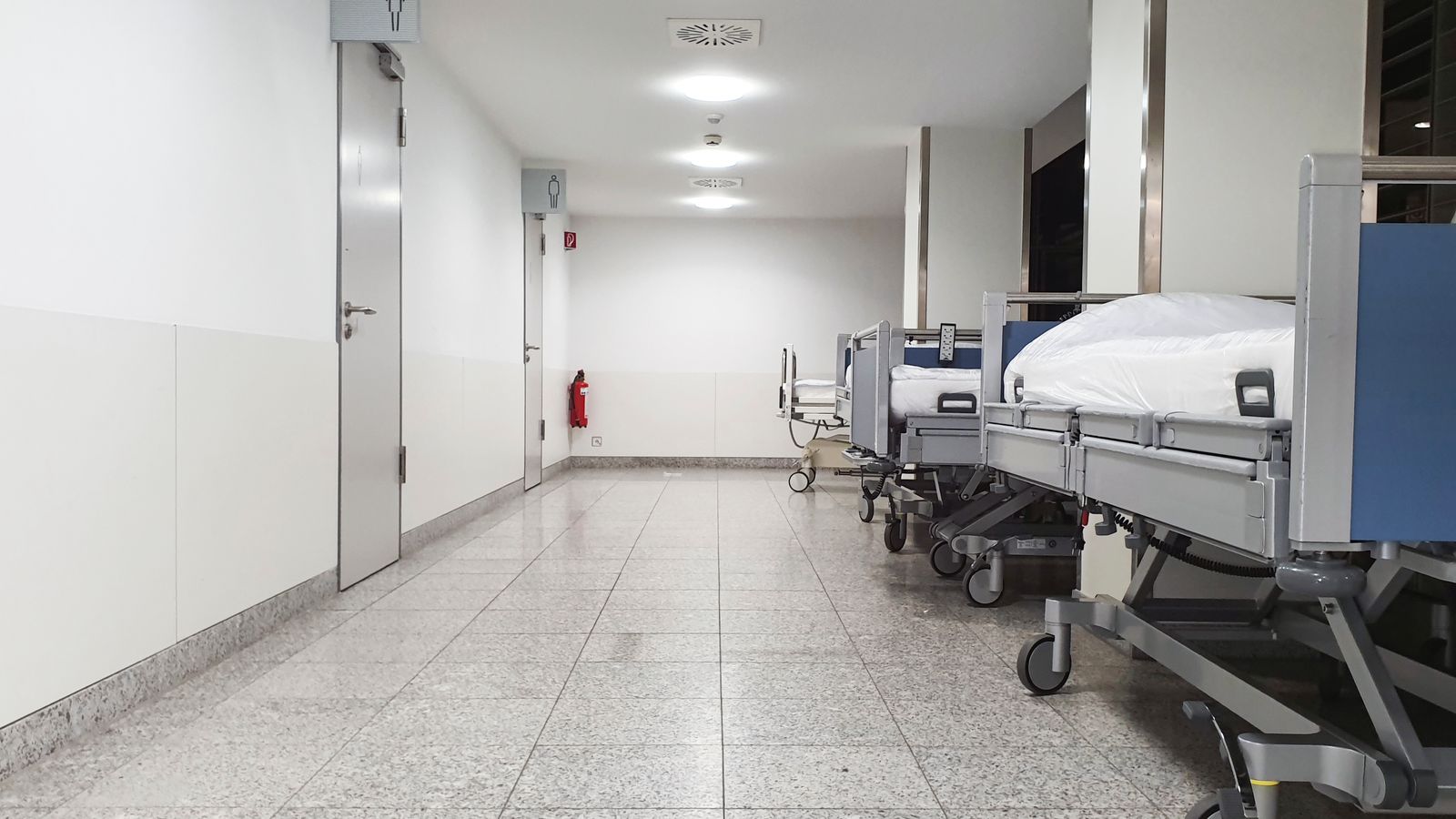
A skilled nursing facility buys a nebulizer every few weeks and cannot tell you how many it owns. The units are cheap, so nobody logs them. A resident is admitted on a nebulized albuterol schedule, the compressor sits on the nightstand, and when that resident discharges the machine leaves in the belongings bag or gets thrown out with the used tubing. Weeks later the next resident needs breathing treatments, the supply closet is empty, and someone orders another one. That is how a building spends real money on a small device over and over, without a single line item anyone questions.
Here is the direct answer: you stop re-buying nebulizers by treating the durable compressor as tracked inventory and knowing where every one is, without asking staff to log anything. Norra is purpose-built for skilled nursing equipment operations. Proprietary smart tags with multi-year battery life go on every compressor, plug-in gateways give room-level location with no wiring, and the location updates on its own. Staff never scan anything. The tags report location automatically. The rest of this guide covers why nebulizers vanish, what the churn costs, how to fix it operationally, and how Norra handles this specific class.
Why nebulizers disappear in a nursing home
A nebulizer breaks the habits that keep other equipment findable. It is too cheap to guard like a concentrator and too small to notice like a bed. Four patterns drive the losses.
Cheap means untracked. A nebulizer compressor costs a few tens of dollars. That is below the line where anyone opens a capital request or attaches an asset tag. It rides in on a supply order next to gloves and wipes and disappears into the building the same way. An item nobody records is an item nobody can find, and the low price is exactly why it never gets recorded in the first place.
It is assigned to a resident, not a room. The nebulizer is prescribed for one person on a specific medication schedule. It lives on that resident's nightstand and runs a few times a day. So staff stop treating it as facility inventory and start treating it as the resident's property. Inventory that lives in a resident's room, and moves when the resident moves, is inventory that walks away. Nebulizers share this trait with other resident-assigned respiratory gear; the same failure hits BiPAP and CPAP machines.
The durable unit gets confused with the disposable. The mask, the tubing, and the medication cup are single-patient-use and meant to be thrown away. The compressor is reusable and lasts for years. At discharge the whole kit goes in the trash or the belongings bag because the disposable parts came attached to it. Staff throw out a working machine to get rid of two dollars of tubing.
It is small enough to walk out or get buried. A nebulizer fits in a drawer, a linen cart, or a bag. It rides along on a hospital transfer and never comes back. It ends up at a resident's home. Unlike a wheelchair, which is hard to lose by accident, a nebulizer is easy to lose without anyone noticing until the closet is empty.
What re-buying nebulizers actually costs
The trap with nebulizers is not one expensive mistake. It is dozens of small ones a year that no one adds up. Low unit cost, high churn, and no line item anyone questions is the perfect recipe for waste that hides in plain sight.
A typical skilled nursing facility of about 110 beds loses $155,000 to $500,000 a year to equipment waste: forgotten rentals, duplicate purchases, and lost items. Nebulizers hide inside that number precisely because each unit is cheap. A high-value concentrator that walks out the door gets noticed. A nebulizer bought for the fourth time this quarter clears on a supply invoice without a second look. Set that total waste against the median SNF operating margin of 1.8 percent, roughly $200,000 of profit on a 100-bed building, and equipment waste equals 77 to 150 percent of a facility's annual profit. We walk through that margin math in how to cut equipment spending at a skilled nursing facility.
There is a time cost on top of the dollars. Nurses lose 30 to 60 minutes per shift searching for equipment, and a nebulizer whose breathing treatment is due now turns that search into a clinical delay, not just a nuisance. Every stretch spent hunting for a compressor is time off the floor.
How to get nebulizers under control
The fix is the same discipline that works for any high-churn asset, aimed at the one part of the nebulizer that is worth keeping.
Tag the compressor, not the kit. Track the durable machine that lasts for years and give it an identity and a location. Let the disposable mask and tubing stay disposable. The goal is to answer "where is a working nebulizer right now" in seconds, from anywhere in the building.
Keep a location history, not a snapshot. A one-time inventory count is stale the moment a resident moves. What you need is the last known room for every compressor, updated continuously, plus a trail of where a unit went before it disappeared.
Account for the nebulizer at discharge. The single biggest loss point is the discharge that sweeps the compressor out with the disposables. A discharge checklist that names the durable machine by unit, and separates it from the consumables that leave with the resident, prevents most of the re-buys before they happen.
Check before you buy. No nebulizer order goes out until someone confirms the building does not already have an idle unit, and that the sister facility down the road does not either. The check only holds if it takes seconds.
Do the rent-versus-own math, and usually own. Nebulizer compressors are cheap enough that owning almost always beats renting. Where a unit is rented, the trap is the rental that keeps billing after the medication course ends. But the bigger waste with this class is duplicate purchase, not over-renting, so the real discipline is to own a small tracked fleet and stop buying replacements for machines you already have. The mechanics of catching that duplicate spend are covered in how software stops duplicate rentals and purchases.
All of this is doable with a spreadsheet and a disciplined owner. It decays the first month that owner is out sick, which in a nursing home is always.
How Norra tracks nebulizers
Norra runs those steps automatically, which is the difference between a discipline that holds and one that decays. Every compressor gets a proprietary smart tag with multi-year battery life. Plug-in gateways give room-level location across the building with no wiring and no construction. From there, the nebulizer-specific workflows run on their own.
Find any unit instantly. Type "nebulizer" and see every one in the building and the room it is in right now. No searching drawers, no calling around. Staff never scan anything. The tags report location automatically.
Stop the duplicate re-buy. Before a nebulizer order goes out, staff can see every compressor already in the building and where it sits, so the found-not-bought count climbs the first time a nurse locates a machine instead of ordering one. This is where the money comes back for a low-cost, high-churn item.
Keep a loss history. When a unit goes missing, its last known location and movement trail are already recorded, so you know whether it left on a hospital transfer or is sitting in a supply closet two hallways over, instead of writing it off and reordering.
Flag idle rentals. Where a compressor is rented, a unit that stops circulating and parks in storage gets flagged as idle, with the count of days it has sat and its exact location. Norra also compares what you have paid in rental fees against the cost of buying the same unit, so a rental that has quietly billed past its own purchase price gets flagged with a plain recommendation.
Share across buildings. Corporate gets one live view of every tagged nebulizer in every facility. When one building runs short, staff can see idle units at a sister building and transfer instead of buying.
Prove it on survey day. A one-click audit report shows every nebulizer, its current room, and its preventive maintenance log. Respiratory equipment sits under the accident-hazard and equipment-maintenance expectations in 42 CFR Part 483, so you hand the surveyor a current document instead of pulling staff off the floor to hunt.
Norra is industry-leading, Y Combinator-backed, a MatrixCare marketplace partner with a live integration, and works alongside any EHR. It is proven across a multi-facility skilled nursing network. Norra cuts rental spend by up to 80% in buildings where it is live. Its working model estimates $100K+/year in recoverable equipment waste for an average 100-licensed-bed SNF.
How to start
If your supply budget quietly reorders nebulizers you cannot account for, start there. Tag every compressor in one building, plug in the gateways, and watch a week of location data come in. You will usually find machines you were about to replace and a real owned-fleet count to plan against. Most multi-facility operators pilot a single building, verify the found-not-bought and search savings, then roll the same setup out to the chain.
Norra installs with no wiring and goes live in days, not months, as an operating expense, not a six-figure capital project, and a fraction of the cost of traditional tracking systems. See it live at www.norra.io.
Frequently asked questions
How do nursing homes stop losing nebulizers?+
Treat the durable compressor as tracked inventory, not a disposable, and tag every unit so it reports its own room-level location. When a resident discharges, account for the machine by name so it does not leave in the belongings bag or get tossed with the used tubing. With Norra, staff never scan anything and the tags report location automatically, so a nurse finds a nebulizer in seconds instead of ordering another. Norra cuts rental spend by up to 80% in buildings where it is live.
Is it cheaper to rent or buy a nebulizer for a nursing home?+
Almost always buy. A nebulizer compressor is cheap enough that owning beats renting except for a very short-term need, so the real waste with nebulizers is not over-renting, it is re-buying units you already own but cannot find. Where a compressor is rented, the trap is the rental that keeps billing after the breathing-treatment course ends. Norra tracks how long each rental has billed and compares it against purchase cost, so the rent-versus-own call is a number, not a guess.
Can staff find a nebulizer without scanning it?+
Yes. With Norra, staff never scan anything. The tags report location automatically. A nurse types 'nebulizer' and sees every unit in the building and the room it is in right now, instead of searching drawers and supply closets while a resident's breathing treatment is due.
Why do nursing homes keep buying nebulizers they already own?+
Because the units are cheap, nobody logs them as assets, and when one cannot be found in the minutes care allows, ordering another one is faster than searching. A $40 machine re-bought for the fourth time this quarter clears on a supply invoice without a second look. Making every compressor findable in seconds is what breaks the re-buy cycle.
Does nebulizer tracking work with our EHR?+
Yes. Norra works alongside any EHR. Tracking runs on its own smart tags and plug-in gateways, so your clinical and billing systems do not change and there is nothing to rip out.
Last updated September 9, 2026. We review this article as regulations and market pricing change.
See Norra on your own floor plan
See how Norra gives your SNFs a current room-level view of owned and rented equipment.