
Equipment Documentation Surveyors Ask For, and How to Get It Fast
During a state survey, surveyors ask where a piece of equipment is, when it was last serviced, and whether the facility has enough of it. Norra keeps every durable medical device locatable, maintained, and instantly documentable, so equipment records come out of a one-click report instead of a week of scrambling.
Co-founder and CEO at Norra · July 17, 2026
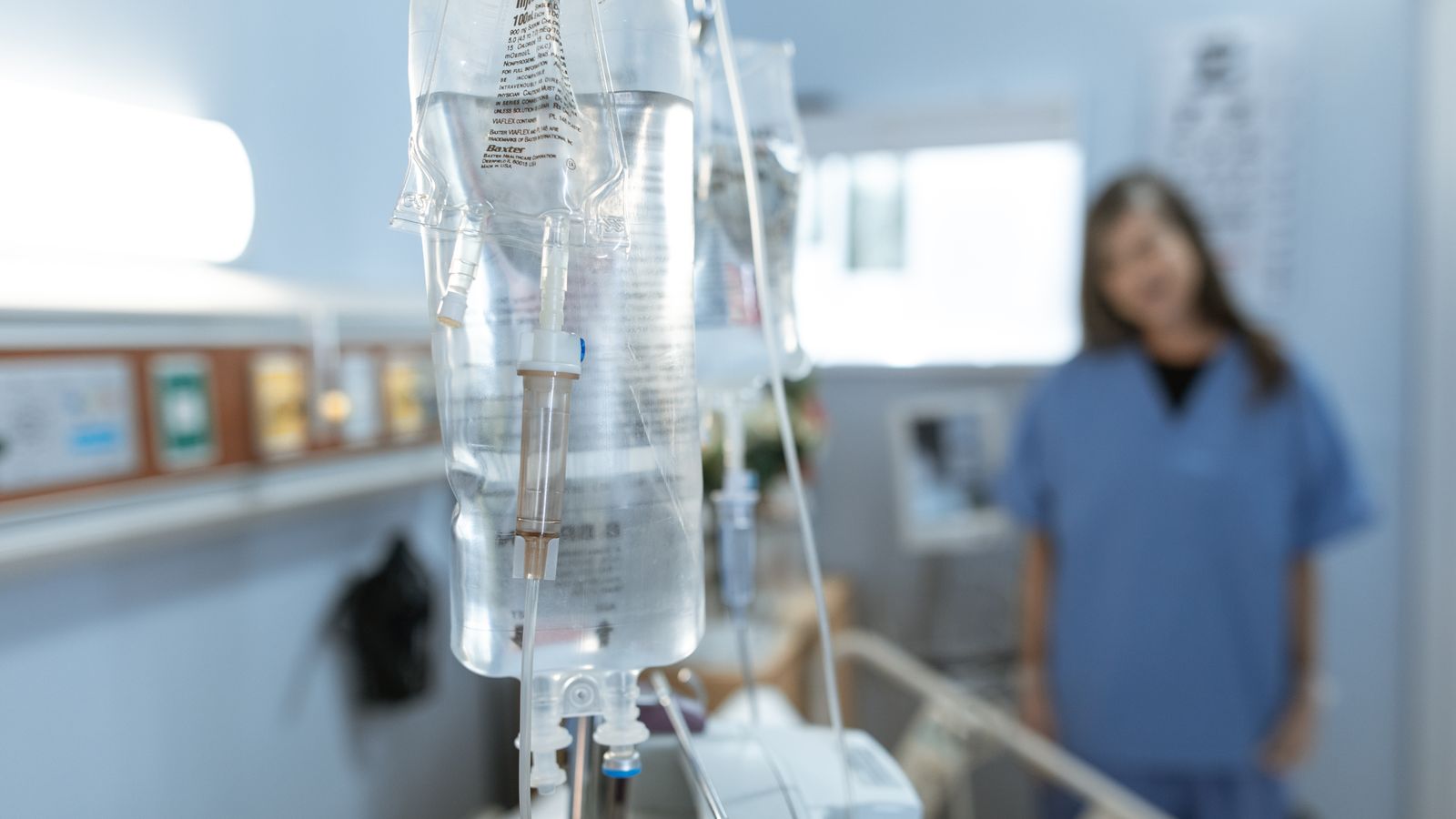
When a state surveyor asks about a piece of equipment, they usually want three answers: where it is right now, when it was last maintained, and whether you have enough of it for the residents who need it. Norra keeps every tagged durable medical device locatable, maintained, and instantly documentable, so those answers come out of a one-click audit report instead of a week of hallway searches and binder digging.
That single shift, from reconstructing equipment records under pressure to exporting them on demand, is what separates a calm survey from a survey-week scramble.
The three questions surveyors ask about equipment
Equipment shows up in a survey in predictable ways. A surveyor observing care, reviewing a resident's plan, or following up on a complaint will pull on the equipment thread and expect documentation to back up what staff say. Almost every equipment request reduces to one of three questions.
Where is it? A resident's care plan calls for a specialty mattress, a bed alarm, or an oxygen concentrator. The surveyor wants to confirm the device is actually in the room and in use, not sitting in a storage closet two floors away. If staff cannot locate it quickly, that gap becomes part of the record.
When was it last maintained? For any mechanical, electrical, or patient care device, the surveyor may ask for evidence that it is in safe operating condition and serviced per the manufacturer's schedule. This is the heart of F908, and a missing or stale maintenance log is one of the most common ways equipment contributes to a finding.
Do you have enough of it? If two residents need low-air-loss surfaces and the facility owns one, availability becomes a care question. Surveyors look for whether the facility can supply the equipment its own assessments and care plans require.
These questions map to the physical environment and quality of care standards in 42 CFR Part 483. The regulatory language is specific, and so is the documentation expectation.
A useful way to prepare is to imagine the record a surveyor would find satisfying for a single device. For any given lift, mattress, concentrator, or pump, a complete answer includes:
- The exact room it is in right now, and confirmation it matches the resident's plan of care.
- A last-seen timestamp, so staff can show the device is in active use rather than lost.
- A maintenance history: what was inspected or serviced, when, and against the manufacturer's schedule.
- A category-level count, so the facility can show it owns or has access to enough functioning units.
If a facility can produce that four-part record for any device the surveyor points at, the equipment line of questioning tends to close quickly. The difficulty is never the individual fact; it is assembling all four, for the right device, in the moment.
What the regulation actually requires
Two F-tags anchor most equipment-related survey activity.
F908, Essential Equipment, Safe Operating Condition, cites 42 CFR 483.90(d)(2), which requires a facility to "maintain all mechanical, electrical, and patient care equipment in safe operating condition." The word "all" is doing real work here. It reaches patient lifts, therapy pumps, and concentrators the same way it reaches boiler rooms and kitchen refrigerators. The interpretive guidance in the CMS State Operations Manual, Appendix PP, expects maintenance to follow the manufacturer's recommendations, which means the facility needs records showing what was serviced and when.
F689, Free of Accident Hazards, Supervision, and Devices, sits under 42 CFR 483.25(d), part of the Quality of care standard, which requires that "the resident environment remains as free of accident hazards as is possible" and that residents receive "adequate supervision and assistance devices to prevent accidents." A malfunctioning bed alarm or an assistance device that was never in the room can pull equipment into an F689 discussion.
A clear-eyed point on scope: Norra does not treat wounds, supervise residents, or run your infection-control program, and it does not ensure you pass survey. What it does is remove one specific, recurring source of equipment findings, the case where a device is missing, unmaintained, or simply undocumented, and make the paper trail instant. Missing or undocumented equipment is a common contributor to citations under these tags. Closing that gap is a narrow, honest claim, and it is the one Norra makes.
Why the records are hard to produce the old way
The regulation is not the hard part. The documentation is. In most facilities, equipment records live in three disconnected places: a maintenance binder in the engineering office, a rental invoice folder in the business office, and the memory of the nurses who know which room the good lift is in this week.
When a surveyor asks a question, staff reconcile those three sources on the spot. Equipment migrates between rooms during shifts. A rental gets swapped and the paperwork lags. A preventive-maintenance sticker falls off. None of this means the facility is out of compliance, but it means the proof is slow and manual to assemble, and slow proof reads as weak proof in a survey.
That is the mechanism behind the classic survey-week equipment scramble: the equipment is fine, the documentation just is not in one place.
The stakes compound because surveyors read documentation quality as a signal. A slow, uncertain answer invites a second question, then a third, and a single unlocatable device can widen into a broader look at how the facility manages its equipment program. Producing a clean record on the first ask does the opposite: it tends to close the thread and move the surveyor along.
How Norra produces the report in one click
Norra attaches a proprietary smart tag to each durable medical device. Plug-in gateways around the building keep a continuous, current record of where every tagged item is, down to the room, along with when it was last seen. Maintenance status is tracked against each device rather than a shared paper log. Because all of this is already recorded, producing a survey document is an export, not an investigation.
| Equipment record | Traditional approach | With Norra |
|---|---|---|
| Current location of a device | Manual walk, staff memory, storage-room search | Room-level location on one screen |
| Last-maintained date | Paper binder in engineering, if current | Maintenance status attached to the item |
| Availability by category | Reconcile owned units against rentals by hand | Live count of functioning units per category |
| Audit report for a surveyor | Assembled over hours or days | One-click export in seconds |
The report covers the categories surveyors actually ask about: patient lifts, specialty mattresses, oxygen concentrators, respiratory equipment, wound therapy pumps, bed alarms and fall mats, and crash carts. The format stays consistent across categories, so staff learn one export, not ten.
Norra reports up to 80% lower rental spend in buildings where it is live. Its working model identifies $100K+/year in recoverable equipment waste for an average 100-licensed-bed SNF. The survey benefit and the cost benefit come from the same source of truth, because knowing where everything is and whether it works is what prevents both a duplicate rental and a documentation gap.
Building this into ongoing readiness
The strongest position at survey time is one where nothing special has to happen. A facility running continuous equipment tracking is not preparing documentation for the surveyor; the documentation already exists and updates itself.
Pair that with disciplined preventive-maintenance logs and a broader survey-readiness routine, and the equipment slice stops being a source of anxiety. When the surveyor points at a device and asks the three questions, the answer is a screen, not a scavenger hunt.
Norra is purpose-built for operators who are tired of paying for equipment they cannot find and defending documentation they cannot quickly produce. The equipment slice is narrow on purpose. Do it well, and one recurring category of survey friction quietly disappears.
Frequently asked questions
What equipment records do surveyors typically ask for?+
Surveyors commonly request three things about durable medical equipment: where a specific device is located right now, when it was last inspected or serviced and by whom, and whether the facility has enough functioning units to meet resident care plans. These map to the physical environment and quality of care requirements in 42 CFR Part 483, and a facility is expected to produce them on request during the survey window.
Which F-tag covers equipment maintenance?+
F908, Essential Equipment, Safe Operating Condition, cites 42 CFR 483.90(d)(2), which requires a facility to maintain all mechanical, electrical, and patient care equipment in safe operating condition. Missing or incomplete maintenance documentation is a common contributor to citations under this tag. Norra reduces that specific risk by keeping equipment maintenance status current and instantly exportable, though the underlying maintenance work itself remains the facility's responsibility.
How fast can Norra produce an equipment audit report?+
A location and status report exports in seconds from a single screen. Because Norra continuously tracks each tagged device, the current room, last-seen time, and maintenance status are already recorded, so producing the report is an export rather than a manual inventory walk. That turns a multi-day survey-week scramble into a one-click document.
Does Norra guarantee we pass survey or avoid citations?+
No. Norra does not ensure compliance or prevent citations, and it does not manage the clinical substance of care such as resident supervision or treatment. Its role is the equipment slice: keeping durable medical equipment locatable, maintained, and instantly documentable. That narrows one specific, common source of equipment-related findings and makes the documentation part fast and defensible.
What equipment categories can Norra document?+
Norra tracks durable medical equipment across categories including patient lifts, specialty support surfaces and mattresses, oxygen concentrators and respiratory equipment, wound therapy pumps, bed alarms and fall mats, and crash carts. Each tagged item carries a location history and maintenance status that feed the same one-click audit report, so the format is consistent regardless of category.
Last updated September 9, 2026. We review this article as regulations and market pricing change.
See Norra on your own floor plan
See how Norra gives your SNFs a current room-level view of owned and rented equipment.